Jump Start Pack vs. Onboard Charger: Understanding the Critical Differences
Jun 05,2025 | TC CHARGER
Many vehicle owners confuse jump start packs and onboard chargers, but understanding their fundamental differences is crucial for proper vehicle maintenance and emergency preparedness. These two devices operate at different times, serve different purposes, and use completely different technologies.
What is a Jump Start Pack?
Primary Function:
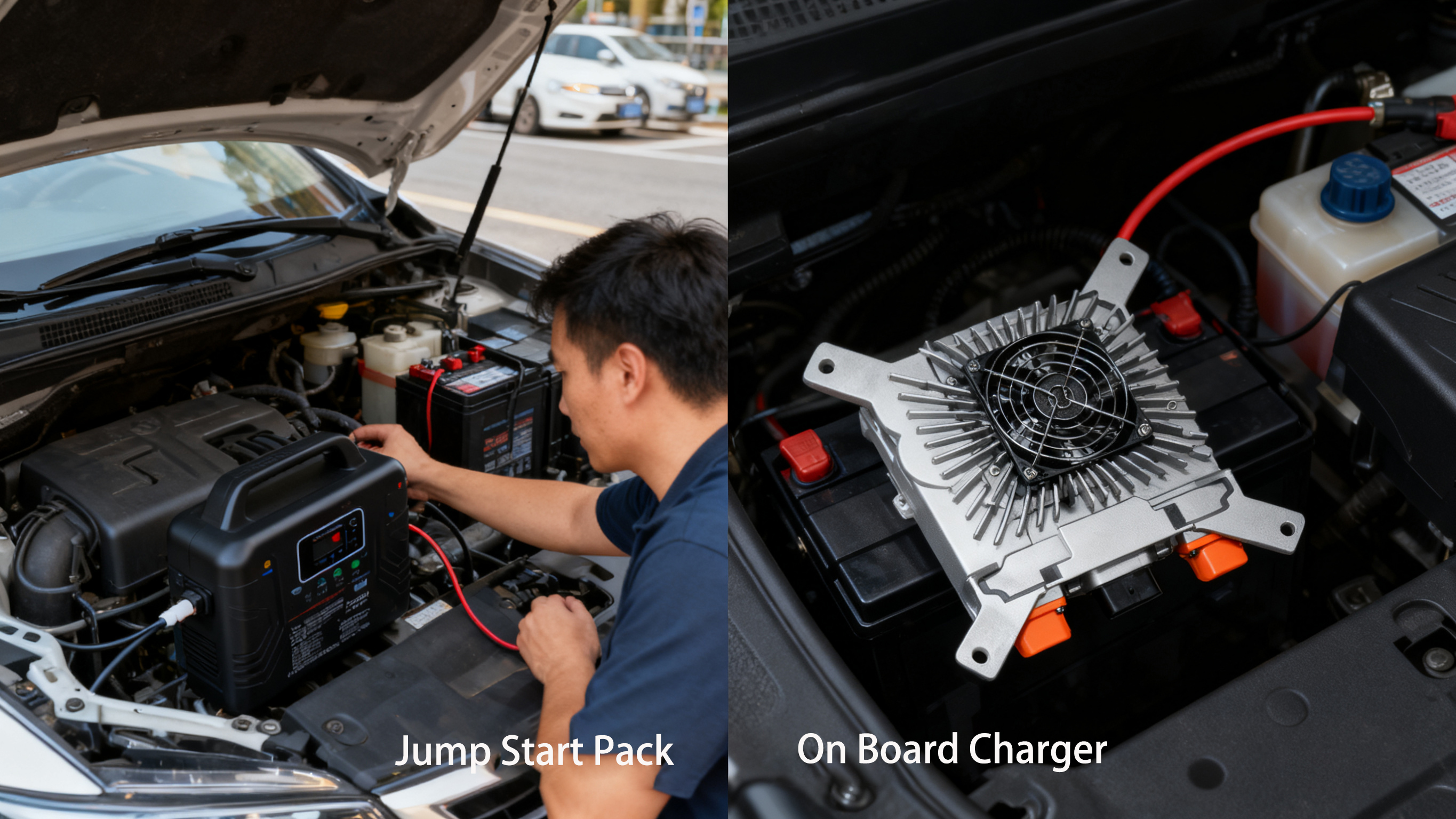
A jump start pack (also called a jump starter or booster pack) is an emergency device designed to provide a sudden burst of high current to start a vehicle with a dead battery.
Key Characteristics:
-
Portable power bank with high-discharge capability
-
Delivers 200-2000 amps for 1-3 seconds
-
Works with 12V systems only
-
Does not charge the battery - only provides starting power
-
Used for gasoline/diesel vehicles and EV 12V systems
When to Use:
-
Vehicle won't start due to dead battery
-
Emergency roadside situations
-
When no other vehicle is available for jump-starting
Technology:
-
Lithium-ion or lead-acid battery
-
High-current delivery circuitry
-
Safety protection systems
-
Often includes flashlight and USB ports
What is an Onboard Charger (OBC)?
Primary Function:
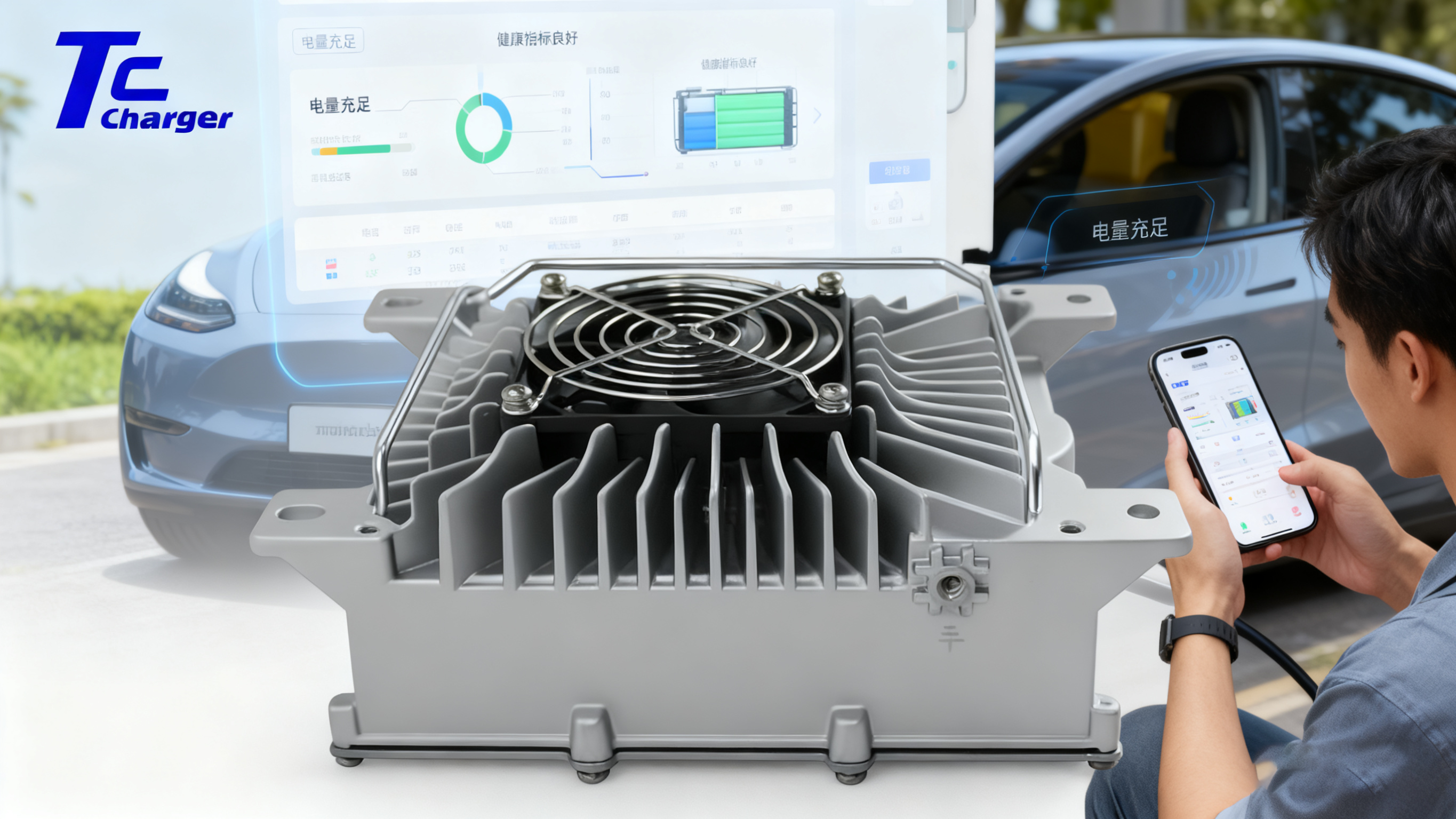
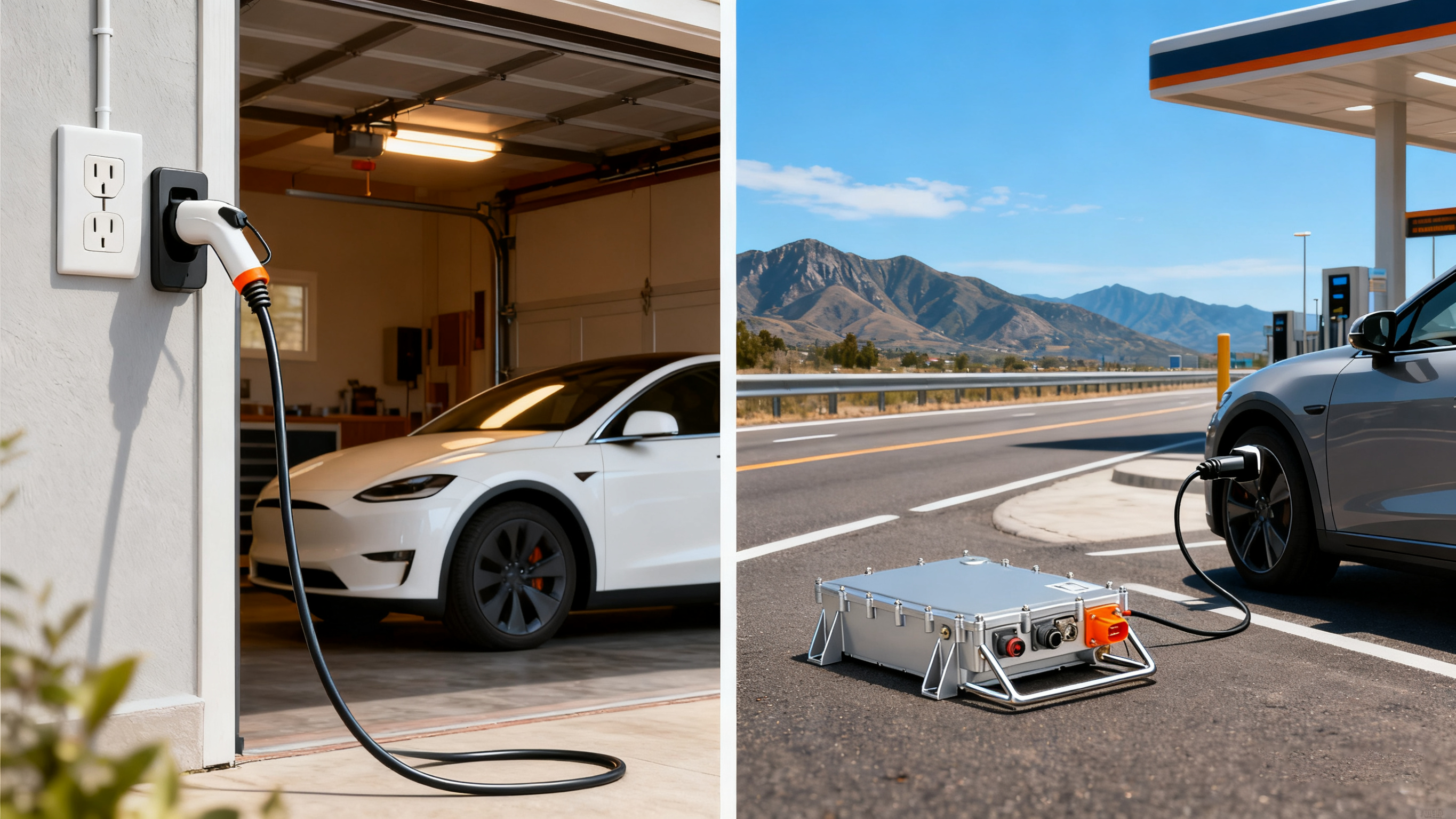
An onboard charger is a permanent component in electric vehicles that converts AC power from charging stations into DC power to recharge the high-voltage battery.
Key Characteristics:
-
Permanently installed in electric vehicles
-
Converts AC to DC power
-
Charges batteries slowly (hours)
-
Manages charging process and battery health
-
Works with high-voltage systems (400V-800V)
When it Operates:
-
During normal EV charging sessions
-
When plugged into Level 1 or Level 2 charging stations
-
Managed by vehicle's charging computer
Technology:
-
Power electronics (rectifiers, transformers)
-
Microprocessor control
-
Thermal management systems
-
Communication protocols
Key Differences: Comparison Table
| Feature | Jump Start Pack | Onboard Charger |
|---|---|---|
| Purpose | Emergency engine starting | Battery charging |
| Operation Time | Seconds | Hours |
| Power Type | DC high-current burst | AC to DC conversion |
| Location | Portable external device | Fixed internal component |
| Vehicle Type | All vehicles (12V systems) | Electric vehicles only |
| Battery Charging | No | Yes |
| Typical Use | Emergency situations | Regular charging |
| Power Level | 200-2000A for seconds | 3.3-22kW for hours |
Real-World Scenarios: When to Use Each
Scenario 1: Dead 12V Battery in an EV
-
Use Jump Start Pack: To start the vehicle or power the 12V systems
-
Onboard Charger's Role: Not involved in 12V battery starting
Scenario 2: Empty High-Voltage Battery in EV
-
Use Onboard Charger: By plugging into AC charging station
-
Jump Start Pack: Useless for high-voltage battery charging
Scenario 3: Gasoline Car Won't Start
-
Use Jump Start Pack: Only solution for immediate starting
-
Onboard Charger: Not present in gasoline vehicles
Why the Confusion Exists
Many people mistakenly believe:
-
Jump start packs can charge batteries (they can't)
-
Onboard chargers can provide instant power (they're slow)
-
EVs don't need jump start packs (they still have 12V batteries)
Complementary Roles in Modern Vehicles
In Electric Vehicles:
-
Onboard Charger: Handles main battery charging
-
Jump Start Pack: May be needed for 12V auxiliary system failures
In Traditional Vehicles:
-
Jump Start Pack: Essential emergency tool
-
Onboard Charger: Not present (alternator charges battery while driving)
Choosing the Right Tool for Your Needs
Every Vehicle Owner Should Have:
-
Quality jump start pack for emergency starting
-
Understanding of their vehicle's charging system
EV Owners Specifically Need:
-
Knowledge of how their onboard charger works
-
Proper charging equipment matched to OBC capabilities
-
Jump start pack for 12V system emergencies
Maintenance Considerations
Jump Start Packs:
-
Regular charging of internal battery
-
Storage in temperature-controlled environment
-
Periodic testing
Onboard Chargers:
-
Built-in diagnostics
-
Software updates from manufacturer
-
Professional service if issues arise
The Bottom Line
Understanding the difference between these two devices is essential:
-
Jump start packs are for emergency starting
-
Onboard chargers are for routine charging
One provides instant power in crises, while the other enables daily operation through controlled energy replenishment. Both play vital but completely different roles in vehicle operation and maintenance.
Whether you're maintaining traditional vehicles or exploring electric mobility, understanding power management systems is crucial. Visit OnBoard-Charger.com for more insights into vehicle charging technology and power solutions.
Comment