Rechargeable Car Battery: Your Complete Guide to Power and Performance
Oct 08,2025 | TC CHARGER
When we talk about a rechargeable car battery, most people think of the traditional lead-acid battery that starts their gasoline vehicle. However, the world of rechargeable car batteries has expanded dramatically with the rise of electric and hybrid vehicles. Understanding the different types, their maintenance needs, and optimal charging practices is essential for every modern vehicle owner.
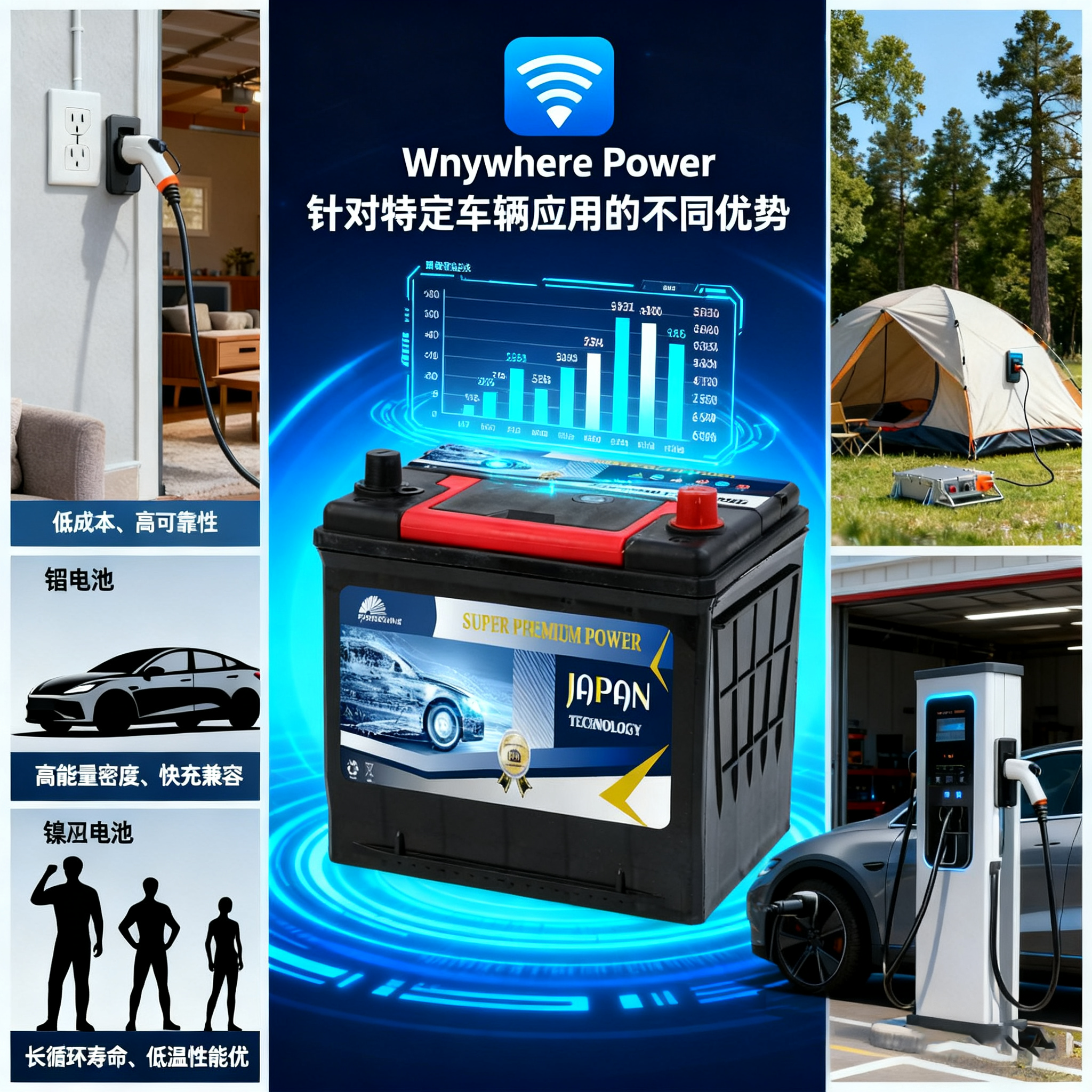
Types of Rechargeable Car Batteries
1. Flooded Lead-Acid Batteries
The Traditional Workhorse
Characteristics:
-
Liquid electrolyte (sulfuric acid and water)
-
Vented design allows gas escape
-
Regular maintenance required (water topping)
-
Lowest cost option
-
Proven technology with decades of use
Best For:
-
Budget-conscious consumers
-
Traditional gasoline vehicles
-
Users who perform regular maintenance
2. AGM (Absorbent Glass Mat) Batteries
Maintenance-Free Advancement
Characteristics:
-
Electrolyte suspended in glass mats
-
Sealed construction - no maintenance
-
Spill-proof design
-
Faster recharge capability
-
Better vibration resistance
Best For:
-
Modern vehicles with start-stop technology
-
Cars with numerous electronic accessories
-
Extreme weather conditions
-
Off-road and performance vehicles
3. EFB (Enhanced Flooded Battery)
The Middle Ground
Characteristics:
-
Improved version of flooded technology
-
Better cycle life than standard flooded
-
Moderate cost between flooded and AGM
-
Good for basic start-stop systems
Best For:
-
Entry-level start-stop vehicles
-
Cost-conscious consumers needing better performance
4. Lithium-Ion Batteries
The Future of Automotive Power
Characteristics:
-
Lightest weight option
-
Highest power density
-
Longest lifespan
-
Highest cost
-
Special charging requirements
Best For:
-
Electric vehicles
-
High-performance applications
-
Weight-sensitive applications
-
Advanced automotive systems
Understanding Battery Specifications
Key Performance Metrics:
-
Cold Cranking Amps (CCA): Starting power in cold weather
-
Amp-Hour (Ah) Rating: Energy storage capacity
-
Reserve Capacity (RC): Duration to power essential systems
-
Voltage: Standard 12V for most vehicles
-
Cycle Life: Number of charge/discharge cycles
Size and Fitment:
-
Group Size: Physical dimensions and terminal placement
-
Terminal Type: Top post, side post, or combination
-
Hold-Down System: Securement method in vehicle
Proper Charging Techniques
Charging Different Battery Types:
Flooded Lead-Acid:
-
Check fluid levels before charging
-
Use well-ventilated area
-
Standard charging rates (2-10 amps)
-
Monitor for gassing during charging
AGM Batteries:
-
Use AGM-specific charging mode
-
Lower risk of gassing
-
Can accept higher charging currents
-
More sensitive to overcharging
Lithium-Ion:
-
Requires specialized lithium chargers
-
Precise voltage control critical
-
Built-in Battery Management System (BMS)
-
Faster charging capability
Optimal Charging Practices:
-
Use smart battery chargers with automatic monitoring
-
Avoid deep discharges whenever possible
-
Charge at moderate rates (not maximum)
-
Maintain proper state of charge during storage
-
Avoid extreme temperatures during charging
Maintenance and Care Guide
Regular Maintenance Schedule:
Weekly (Visual Inspection):
-
Check for corrosion on terminals
-
Look for case damage or swelling
-
Verify secure mounting
Monthly (Performance Check):
-
Test voltage levels
-
Check specific gravity (flooded batteries)
-
Clean terminals if necessary
Seasonal (Comprehensive Check):
-
Load test battery capacity
-
Check charging system performance
-
Inspect cabling and connections
Cleaning and Maintenance:
-
Clean terminals with baking soda solution
-
Apply anti-corrosion spray after cleaning
-
Tighten connections to proper torque
-
Keep battery top clean and dry
Extending Battery Lifespan
Best Practices:
-
Avoid short trips that prevent full recharge
-
Turn off accessories before starting vehicle
-
Limit parasitic drains when vehicle is off
-
Store properly during long periods of inactivity
-
Keep batteries fully charged when not in use
Common Life-Shortening Habits:
-
Frequent deep cycling
-
Consistent undercharging
-
High temperature exposure
-
Vibration and physical damage
-
Corrosion buildup on terminals
Troubleshooting Common Issues
Battery Won't Hold Charge:
-
Possible causes: Age, sulfation, parasitic drain
-
Solutions: Test charging system, check for drains, consider replacement
Slow Cranking:
-
Possible causes: Low charge, poor connections, aging battery
-
Solutions: Charge battery, clean terminals, load test
Corrosion Buildup:
-
Possible causes: Normal aging, overcharging, environmental factors
-
Solutions: Clean regularly, apply protective spray, check charging voltage
Recycling and Environmental Considerations
Proper Disposal:
-
Never discard in regular trash
-
Take to authorized recycling centers
-
Many retailers offer take-back programs
-
Follow local regulations for battery disposal
Environmental Impact:
-
Lead-acid batteries: 99% recyclable
-
Lithium-ion batteries: Complex recycling process
-
Proper recycling prevents soil and water contamination
-
Manufacturer take-back programs increasingly common
Future Trends in Automotive Batteries
Emerging Technologies:
-
Solid-state batteries - higher density, safer
-
Graphene batteries - faster charging, longer life
-
Sodium-ion batteries - lower cost, abundant materials
-
Advanced BMS - smarter battery management
Industry Developments:
-
Standardization of battery systems
-
Improved recycling processes
-
Longer warranties and lifespans
-
Integration with vehicle electronics
Choosing the Right Battery for Your Vehicle
Selection Criteria:
-
Vehicle requirements (CCA, group size)
-
Climate conditions in your area
-
Driving habits and patterns
-
Budget constraints
-
Warranty coverage and support
Installation Considerations:
-
Professional installation recommended
-
Proper programming may be required for modern vehicles
-
Battery registration needed for some models
-
System reset after replacement
Understanding your rechargeable car battery is key to vehicle reliability and performance. Whether you drive a traditional gasoline vehicle or the latest electric model, proper battery knowledge ensures you'll never be left stranded.
For more insights into automotive power systems and charging technology, visit OnBoard-Charger.com, your resource for all things related to vehicle electrical systems and charging solutions.
Comment