How to Maintain and Extend the Lifespan of Your On-Board Charger
Apr 20,2026 | TC CHARGER
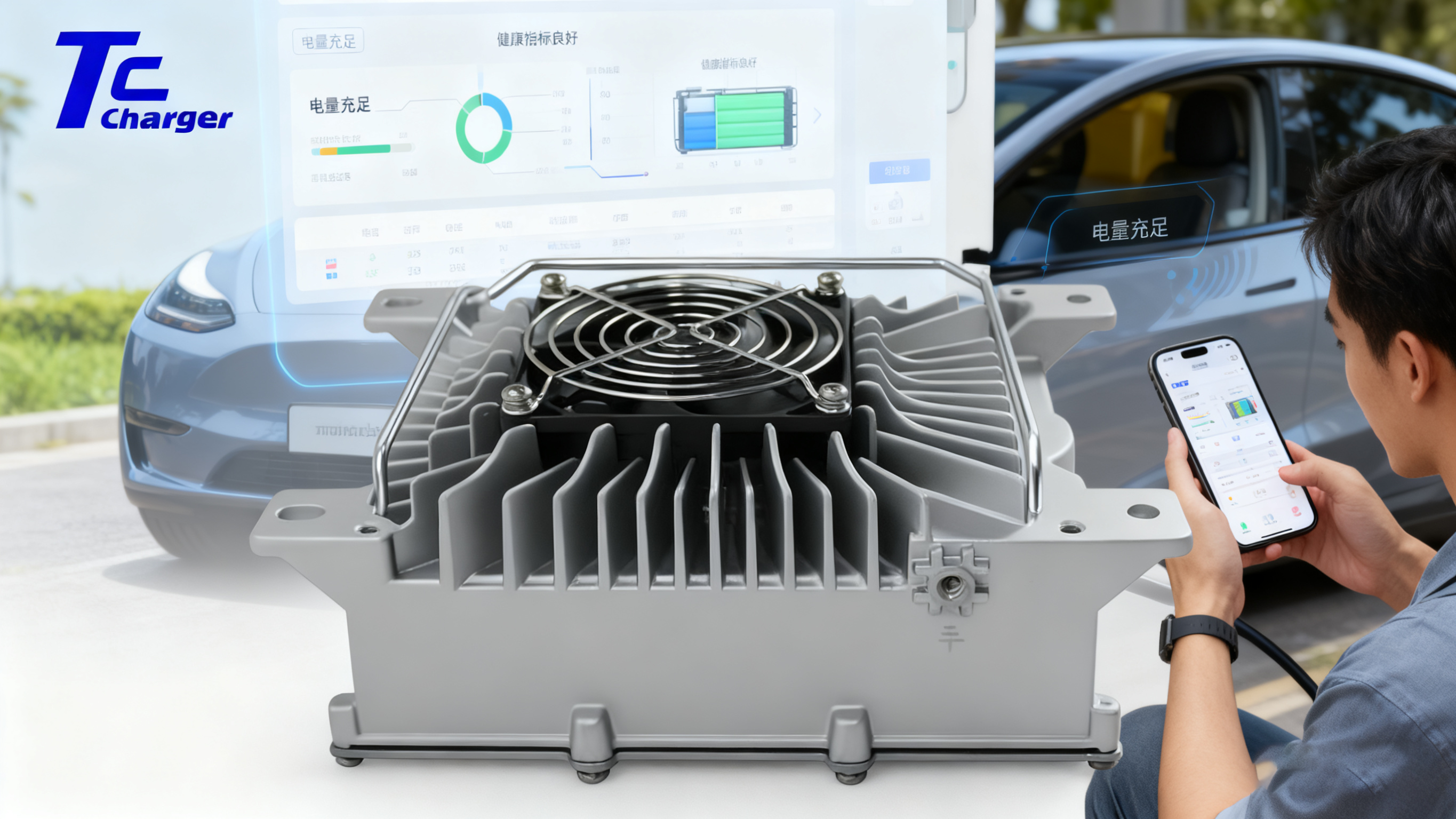
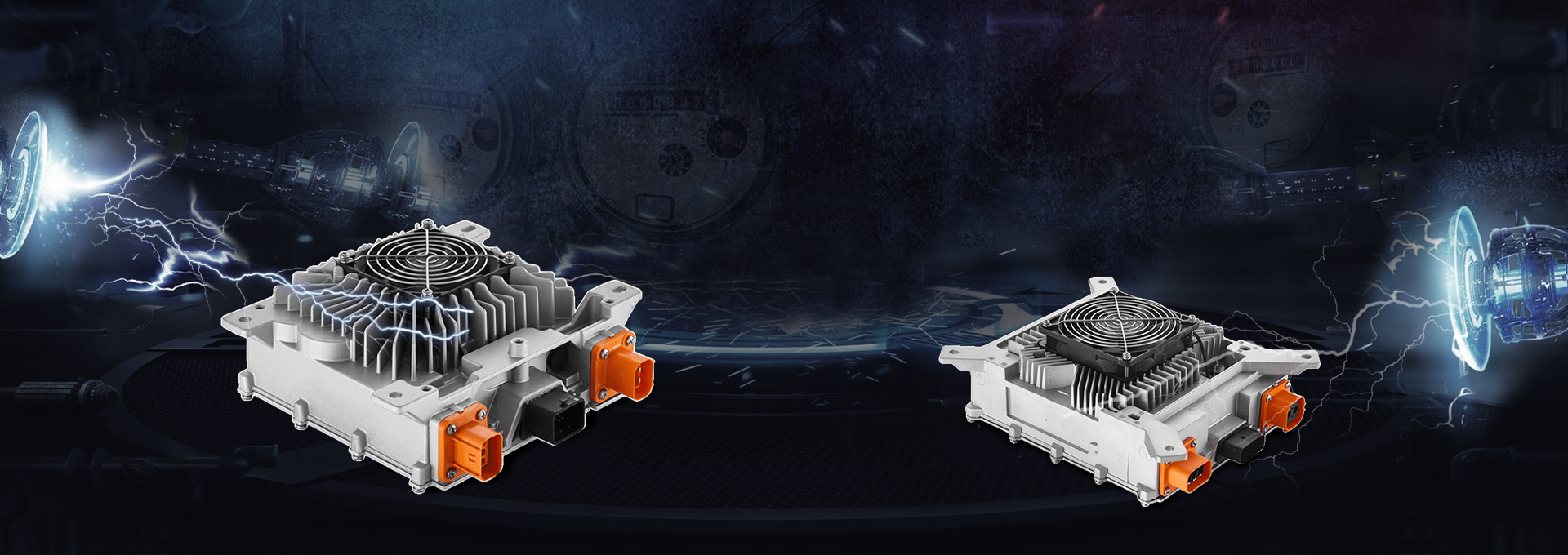
The on-board charger (OBC) is the unsung hero of your electric vehicle (EV). Unlike portable chargers or public fast-charging stations, this built-in device converts AC power from your home or public outlet into DC power to charge your EV’s battery.
Without a well-functioning on-board charger, even the most advanced EV battery is useless. Yet, many drivers overlook regular maintenance for this critical component, leading to unexpected breakdowns, costly repairs, and shortened lifespan. In this guide, we’ll break down everything you need to know about maintaining your on-board charger, from identifying common risks to actionable tips that will keep your OBC running efficiently for years to come.
What Is an On-Board Charger (OBC) and Why Does It Matter?
Before diving into maintenance, it’s important to understand the role of your on-board charger. The OBC is a compact, high-power electronic system installed in every EV, responsible for managing the entire AC-to-DC charging process. It regulates voltage, controls charging speed, and ensures the battery receives a safe, stable flow of power—preventing overcharging, overheating, and damage to your battery pack.
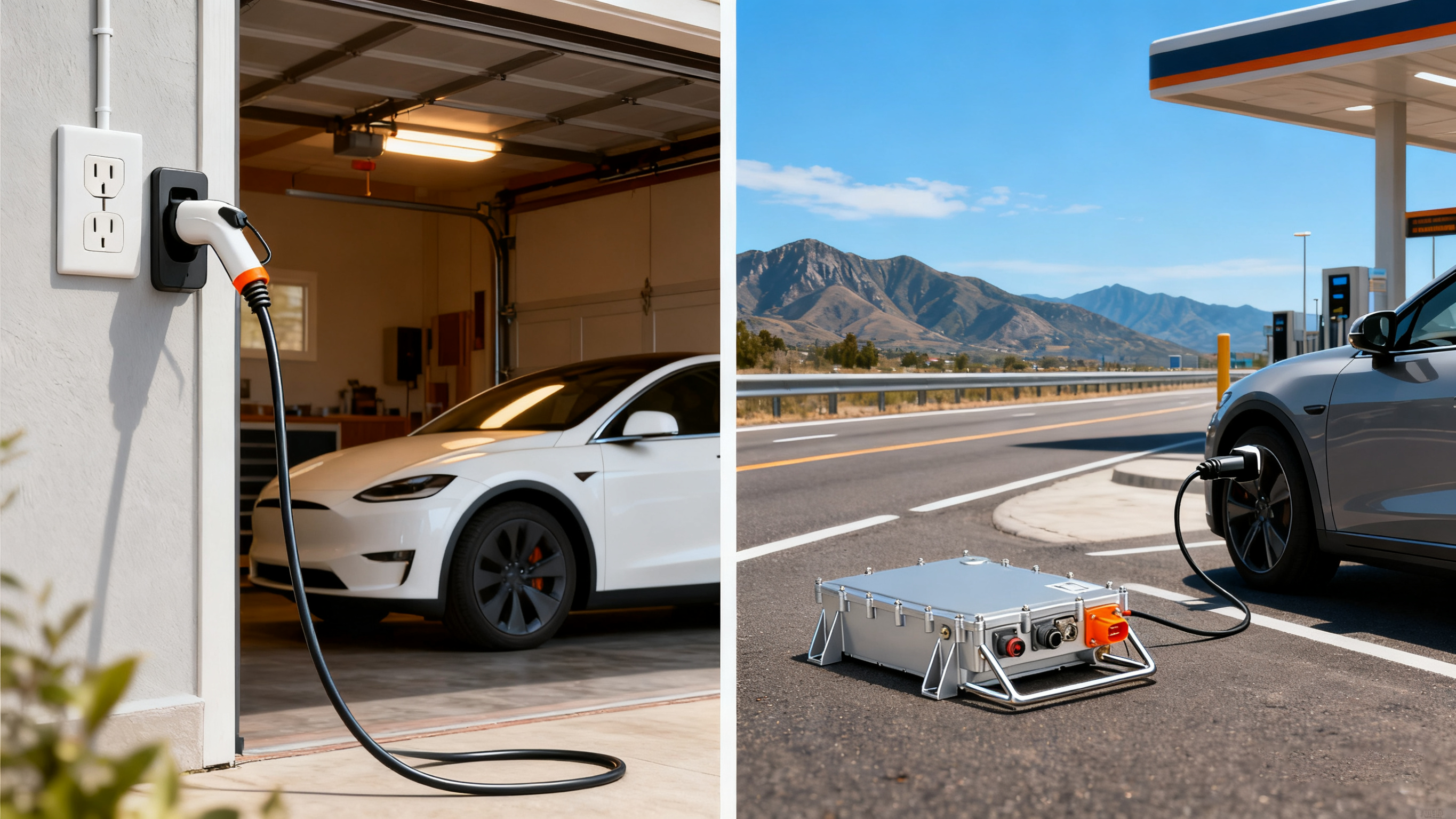
Unlike off-board fast chargers, which rely on external power conversion, the on-board charger is always with you, making it essential for home charging, work charging, and any situation where you need to plug into a standard AC outlet. A healthy OBC not only ensures consistent charging performance but also protects your battery’s long-term health, directly impacting your EV’s range, efficiency, and resale value.
Common Threats to Your On-Board Charger’s Lifespan
On-board chargers are built to last, but they’re not indestructible. Several everyday factors can wear down your OBC over time, often without you noticing:
- Overheating and Poor Ventilation: OBCs generate significant heat during operation, especially during high-power charging. If your EV’s charging port or the OBC’s internal cooling system is blocked by dirt, debris, or damage, excess heat can damage sensitive electronic components, leading to reduced efficiency or premature failure.
- Voltage Fluctuations and Unstable Power Sources: Plugging your EV into an ungrounded outlet, a faulty extension cord, or a power source with inconsistent voltage can send surges through your on-board charger. These power spikes can fry circuit boards, capacitors, and other critical parts, even if they don’t cause immediate damage.
- Environmental Exposure: Extreme temperatures, moisture, and road grime can take a toll on your OBC. Water damage from flooded parking areas, salt corrosion in coastal regions, or dust buildup in the charging port can compromise the OBC’s seals and internal electronics, leading to slow charging or complete failure.
- Overusing High-Power AC Charging: While many modern on-board chargers support fast AC charging, relying too heavily on maximum-power charging (e.g., 11kW or higher) can accelerate wear. The constant high load on the OBC’s components increases heat and stress, shortening its lifespan over time.
5 Essential Maintenance Tips to Extend Your On-Board Charger’s Life
Most OBC issues are preventable with simple, regular maintenance. Follow these expert tips to keep your on-board charger in top condition:
-
Keep the Charging Port Clean and DryThe charging port is the gateway to your on-board charger, so keeping it free of debris, moisture, and corrosion is critical. Every few months (or more often if you drive in dusty or wet conditions), inspect the port for dirt, leaves, or signs of water buildup. Use a soft, dry cloth or compressed air to gently remove debris—never use water or harsh chemicals, as these can damage the port’s electrical contacts. If you notice corrosion on the pins, a small amount of automotive-grade electrical contact cleaner can safely remove buildup.
-
Use Only Grounded, High-Quality Power SourcesAlways plug your EV into a properly grounded outlet, especially for home charging. Avoid cheap, uncertified extension cords or power strips, as these can cause voltage drops or surges that damage your on-board charger. If you need a temporary extension cord, choose a heavy-duty, UL-listed cord rated for your charger’s power output (at least 14 gauge for 120V, 10 gauge for 240V Level 2 charging). For home charging stations, invest in a certified Level 2 charger compatible with your EV’s OBC specifications to ensure stable power delivery.
-
Prevent Overheating the Charger (and Your EV)Heat is the biggest enemy of your on-board charger. To avoid overheating:
- Charge in a shaded, well-ventilated area, especially during hot weather. Avoid charging in direct sunlight or enclosed, non-ventilated spaces like a closed garage with poor airflow.
- If your OBC has a built-in cooling fan, listen for unusual noises (grinding, whirring) during charging—these indicate a failing fan that needs service.
- Don’t charge immediately after driving at high speeds or in hot weather; let the battery and OBC cool for 15–20 minutes before plugging in.
- Follow the Manufacturer’s Charging Guidelines
Every EV’s on-board charger has specific power and voltage limits, and exceeding these can cause permanent damage. Refer to your owner’s manual for:
- The maximum AC charging rate your OBC supports (e.g., 3.6kW, 7.2kW, or 11kW). Using a charger that delivers more power than your OBC can handle will force it to work overtime, leading to overheating and wear.
- Recommended practices like avoiding 100% daily charging (keeping the battery between 20–80% reduces stress on both the battery and OBC) and using scheduled charging to take advantage of off-peak electricity.
- Schedule Regular Professional Inspections
Even with at-home maintenance, some OBC issues are invisible to the naked eye. Schedule a professional inspection with a certified EV technician every 1–2 years, or if you notice warning signs (see below). A technician can test the OBC’s output voltage, check for internal corrosion or component wear, and ensure the cooling system works properly—catching small issues before they turn into costly repairs.
Early Warning Signs of a Failing On-Board Charger
Catching OBC issues early can save you thousands in repairs. Watch for these red flags:
- Slow or inconsistent charging speed, even with a known-good power source.
- The charging port or cable feels unusually hot during charging (beyond normal warm-up).
- Dashboard error messages related to charging or power system issues.
- The battery doesn’t hold a charge as well as it used to, even after a full cycle.
- Unusual buzzing, clicking, or humming noises from the charging port area when plugged in.
If you notice any of these signs, stop using the charger immediately and have your EV inspected by a professional. Continuing to use a failing OBC can damage your battery pack, leading to even more expensive repairs.
Conclusion
Your on-board charger is a small but vital part of your electric vehicle, and a little regular maintenance goes a long way in protecting your investment. By keeping the charging port clean, using stable power sources, avoiding overheating, following manufacturer guidelines, and scheduling professional inspections, you can extend the lifespan of your OBC and keep your EV charging reliably for years.
Remember: a healthy on-board charger means a healthy EV battery, better performance, and fewer unexpected breakdowns on the road. Don’t wait for issues to arise—start incorporating these maintenance tips into your routine today!
FAQ
- Q: How long does an on-board charger typically last?
- A: With proper maintenance, most OBCs last 8–10 years, matching the lifespan of your EV’s battery pack. Poor maintenance or excessive high-power AC charging can reduce this to 5–7 years.
- Q: Can I replace an on-board charger myself?
- A: No, replacing an OBC requires specialized knowledge of EV high-voltage systems. Always hire a certified EV technician for repairs or replacements.
- Q: Does using DC fast chargers damage my on-board charger?
- A: No—DC fast chargers bypass the OBC entirely, so they don’t strain it. The main risk comes from excessive use of high-power AC charging that pushes the OBC to its maximum capacity.
Comment