On-Board Charger Troubleshooting: Fix Common Issues
May 01,2026 | TC CHARGER
On-Board Charger Troubleshooting: Fix Common Issues and Get Back to Charging
Meta Description: Discover how to troubleshoot common on-board charger (OBC) issues in your electric vehicle. Step-by-step guide to identify problems, simple fixes, and when to call a professional—keep your EV charging smoothly.
Introduction
There’s nothing more frustrating than plugging in your electric vehicle (EV) to charge, only to find it’s not working—and more often than not, the culprit is a faulty on-board charger (OBC). As the heart of your EV’s charging system, the OBC converts AC power from outlets into DC power your battery can use. When it malfunctions, it can leave you stranded, delay your plans, and even lead to costly repairs if not addressed quickly. The good news? Many common OBC issues are easy to identify and fix on your own, without the need for a certified technician. In this guide, we’ll walk you through the most frequent OBC problems, how to troubleshoot them step by step, and when it’s time to seek professional help. Whether you’re a new EV owner or a seasoned driver, this troubleshooting manual will help you keep your OBC—and your EV—in top shape.
Common On-Board Charger Issues and Their Symptoms
Before you start troubleshooting, it’s important to recognize the signs of a malfunctioning OBC. Different issues present different symptoms, and knowing what to look for can save you time and effort. Here are the most common OBC problems and their telltale signs:
1. No Charging Response When Plugged In
The most obvious sign of an OBC issue is when you plug your EV into a power source, but nothing happens—no lights on the charging port, no notification on the dashboard, and no charging progress. This could mean the OBC isn’t receiving power, isn’t communicating with the battery, or has a internal failure.
Key symptoms: No charging initiation, dead charging port lights, no error messages (or a “charging failed” message), and the battery doesn’t gain any charge over time.
2. Slow or Inconsistent Charging
If your EV is charging, but at a much slower rate than usual (e.g., taking 12+ hours to fully charge when it normally takes 6), or the charging speed fluctuates (speeds up, slows down, or stops unexpectedly), the OBC is likely struggling to convert power efficiently.
Key symptoms: Longer charging times than normal, inconsistent charging speed, the charging port feels warm (but not hot), and the battery charges unevenly (e.g., jumps from 30% to 50% quickly, then slows to a crawl).
3. Overheating During Charging
OBCs generate heat during operation, but excessive heat is a red flag. If the charging port, OBC housing (located near the charging port in most EVs), or charging cable feels extremely hot to the touch—so hot you can’t hold it for more than a few seconds—it’s a sign of an OBC issue.
Key symptoms: Extreme heat from the charging port/OBC, burning smell, dashboard warnings about overheating, or the EV automatically stops charging to prevent damage.
4. Dashboard Error Messages
Most modern EVs will display error messages on the dashboard if the OBC is malfunctioning. These messages vary by manufacturer but often include phrases like “Charging System Fault,” “On-Board Charger Error,” or “Power Conversion Failed.”
Key symptoms: Specific error codes/messages, the EV refuses to charge, or the charging process stops abruptly with an alert.
5. Unusual Noises During Charging
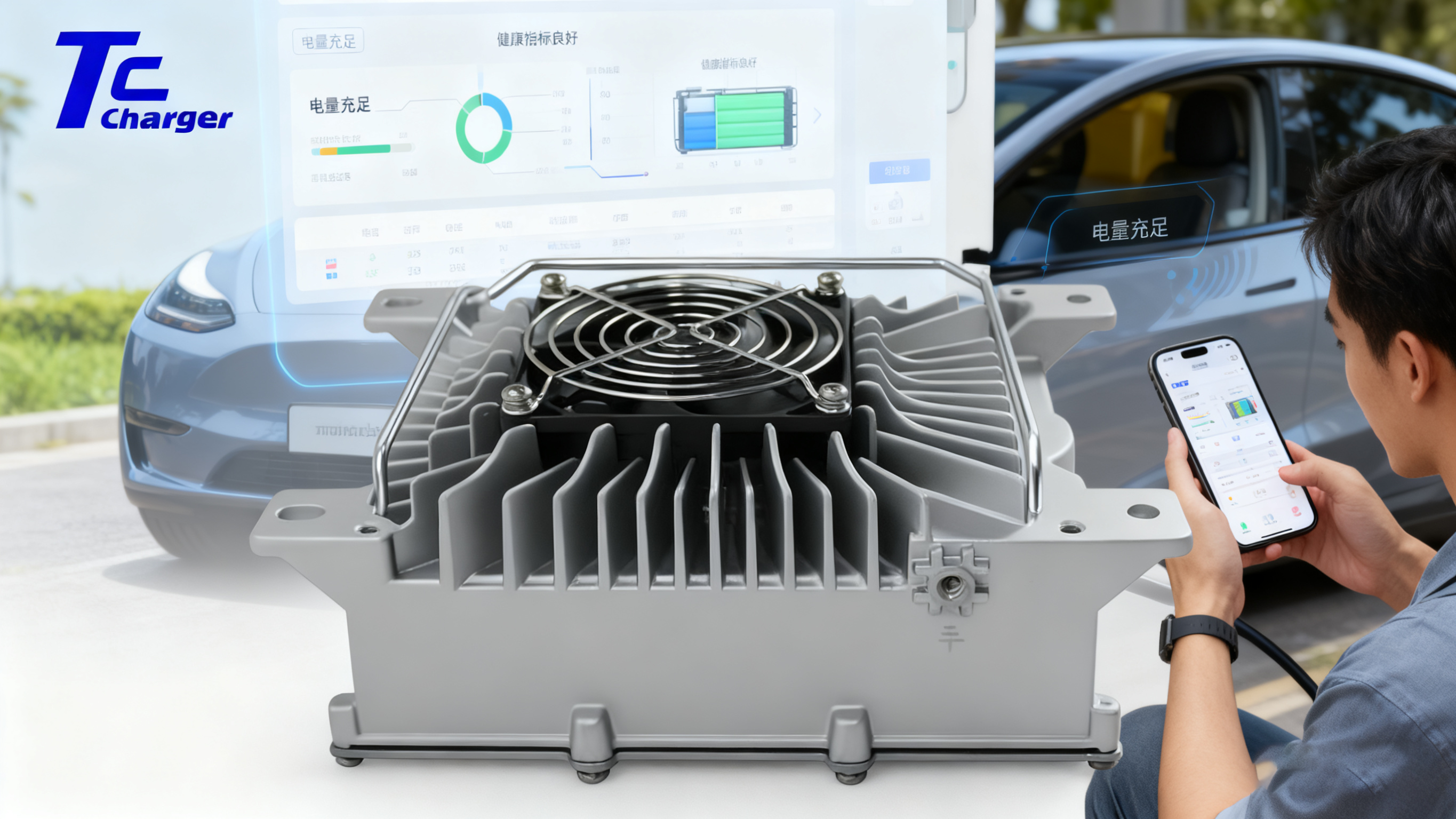
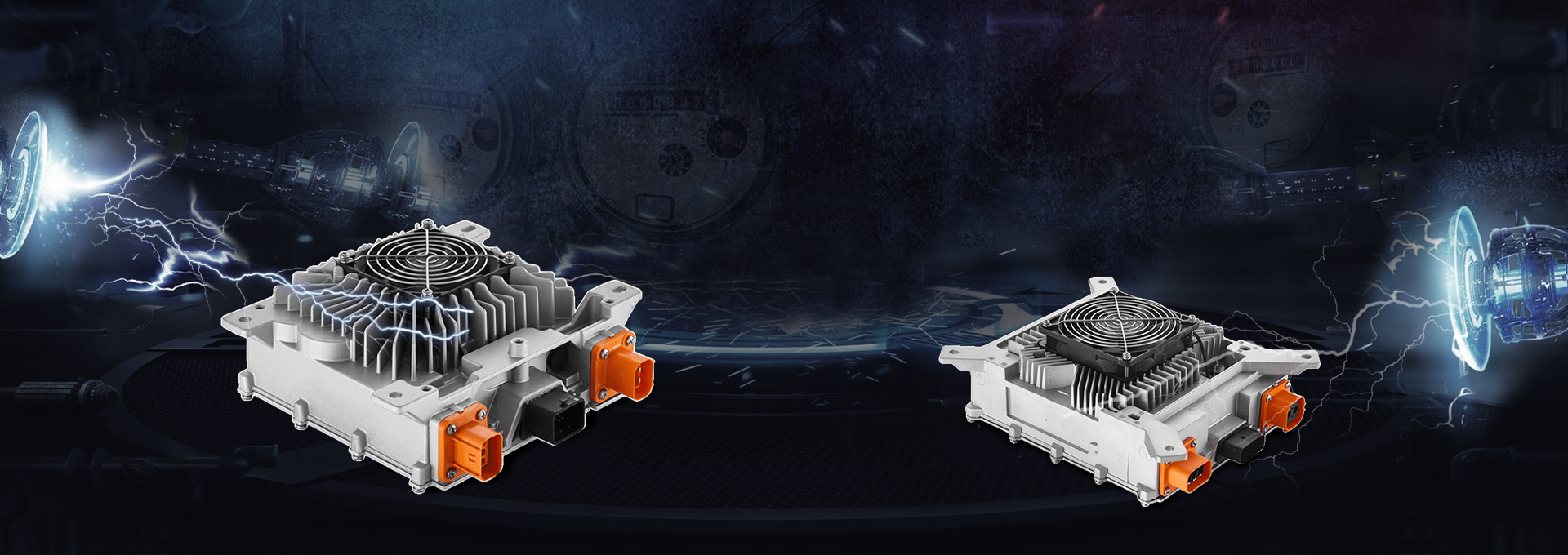
A healthy OBC operates quietly, with only a faint hum or whirring sound (from the cooling fan). If you hear buzzing, clicking, grinding, or squealing noises when the EV is plugged in, it’s likely a sign of a failing component inside the OBC.
Key symptoms: Loud or unusual noises from the charging port area, noises that stop when charging is interrupted, or noises that get louder over time.
Step-by-Step OBC Troubleshooting Guide
Now that you know the common issues and symptoms, let’s walk through how to troubleshoot them. Start with the simplest fixes first—most OBC problems are caused by external factors, not internal failures.
Step 1: Check the Power Source (Most Common Fix!)
Many “OBC issues” are actually problems with the power source, not the OBC itself. Before assuming the OBC is faulty, test the outlet or charging station:
-
Plug a different device (e.g., a phone charger, lamp) into the same outlet to see if it works. If the device doesn’t power on, the outlet is the problem (check the circuit breaker or reset the outlet).
-
If using a public charging station, try a different port or a different station entirely. Public stations often have faulty ports or power outages.
-
If using an extension cord, remove it and plug the EV directly into the outlet. Cheap or damaged extension cords can cause voltage drops or power surges that disrupt the OBC.
Step 2: Inspect the Charging Port and Cable
A dirty, damaged, or corroded charging port or cable can prevent the OBC from receiving power properly. Here’s how to inspect and clean them:
-
Check the charging port on your EV for dirt, debris, moisture, or corrosion. Use a soft, dry cloth or compressed air to gently remove any debris. If you see corrosion (green or white buildup on the pins), use a small amount of automotive-grade electrical contact cleaner to wipe it away (avoid getting cleaner inside the port).
-
Inspect the charging cable for damage—frayed wires, cracks, or bent prongs. A damaged cable can’t deliver power reliably, leading to OBC issues. If the cable is damaged, replace it with a certified, compatible cable.
-
Ensure the cable is fully plugged into both the outlet and the EV’s charging port. Sometimes, a loose connection is the only problem.
Step 3: Reset the OBC and EV
Like any electronic device, the OBC can experience glitches that can be fixed with a simple reset. Here’s how to reset your OBC and EV:
-
Unplug the charging cable from both the EV and the outlet.
-
Turn off your EV and lock the doors (this ensures the vehicle’s electrical system fully shuts down).
-
Wait 5–10 minutes to allow the OBC to reset.
-
Unlock the EV, turn it on, and plug the charging cable back in. Check if the charging starts normally.
Step 4: Check for Overheating and Ventilation
If your OBC is overheating, the issue may be poor ventilation or a failing cooling fan. Here’s how to troubleshoot:
-
Move your EV to a shaded, well-ventilated area (away from direct sunlight or enclosed spaces like a closed garage).
-
Check the OBC’s cooling fan (if accessible) for debris or blockages. Use compressed air to remove any dirt that’s blocking the fan.
-
Wait for the OBC to cool down (15–20 minutes) and try charging again. If it still overheats, the cooling fan may be failing.
Step 5: Check for Software Updates
Sometimes, OBC issues are caused by outdated software. Many EV manufacturers release software updates that fix charging system bugs, including OBC malfunctions. Here’s what to do:
-
Check your EV’s infotainment system for software updates. Most EVs allow you to update software over-the-air (OTA) or via a USB drive.
-
Follow the manufacturer’s instructions to install any available updates. After updating, restart your EV and try charging again.
When to Call a Professional Technician
While many OBC issues can be fixed with simple troubleshooting, some require specialized knowledge and tools. Call a certified EV technician if:
-
None of the troubleshooting steps work, and the OBC still won’t charge or is malfunctioning.
-
You notice a burning smell, smoke, or extreme overheating (this is a safety hazard—stop using the charger immediately).
-
The dashboard displays a persistent error message related to the OBC (even after resetting the EV).
-
You hear loud, unusual noises (like grinding or squealing) from the OBC, which indicates internal component failure.
-
The OBC has been exposed to water (e.g., from a flood or heavy rain) and is not working—water damage can cause short circuits and permanent damage.
Certified EV technicians have the tools to test the OBC’s voltage output, inspect internal components, and replace faulty parts. Attempting to repair the OBC yourself is dangerous—OBCs handle high-voltage electricity, which can cause serious injury or death if not handled properly.
Preventing Future OBC Issues
The best way to avoid OBC troubles is to take proactive steps to maintain it. Here are a few simple tips to keep your OBC in good condition:
-
Keep the charging port clean and dry—inspect and clean it regularly, especially if you drive in dusty or wet conditions.
-
Use only certified, high-quality charging cables and power sources—avoid cheap, uncertified products that can cause voltage surges.
-
Avoid charging in extreme temperatures (both hot and cold)—charge in shaded, well-ventilated areas when possible.
-
Don’t overuse high-power AC charging—relying too heavily on maximum-power charging (11kW+) can strain the OBC and shorten its lifespan.
-
Schedule regular professional inspections—have a certified technician check the OBC every 1–2 years to catch small issues before they become big problems.
Conclusion
A malfunctioning on-board charger can be a major inconvenience, but with the right troubleshooting steps, you can often fix the issue quickly and avoid costly repairs. By starting with the simplest fixes (checking the power source, cleaning the charging port) and moving to more advanced steps (resetting the EV, checking for software updates), you can resolve most common OBC problems on your own. Remember, safety always comes first—if you’re unsure about any step, or if the issue is severe (like overheating or smoke), call a certified EV technician immediately. With proper maintenance and quick troubleshooting, your OBC will keep your EV charged and ready to go for years to come.
FAQ
-
Q: Why does my OBC stop charging randomly? A: Random charging stops are often caused by voltage fluctuations, poor ventilation (overheating), or a loose connection. Try plugging into a different outlet, moving to a shaded area, or checking the charging cable for damage.
-
Q: Can a dead battery cause OBC issues? A: Yes—if your EV’s battery is completely dead, the OBC may not receive enough power to initiate charging. Try jump-starting the battery (if your EV supports it) or using a dedicated battery charger before attempting to charge normally.
-
Q: How much does it cost to repair or replace an OBC? A: The cost varies by EV model, but OBC repairs typically range from $500–$1,500, and replacements can cost $1,000–$3,000 (including labor). Regular maintenance can help avoid these costs.
-
Q: Is it safe to drive with a faulty OBC? A: You can drive your EV if the OBC is faulty (since the OBC only affects charging, not driving), but you won’t be able to charge the battery. It’s best to fix the OBC as soon as possible to avoid being stranded with a dead battery.
Comment