Battery Swapping vs. Fast Charging: How On-Board Chargers Are Shaping the Future of EV Mobility
Apr 24,2026 | TC CHARGER
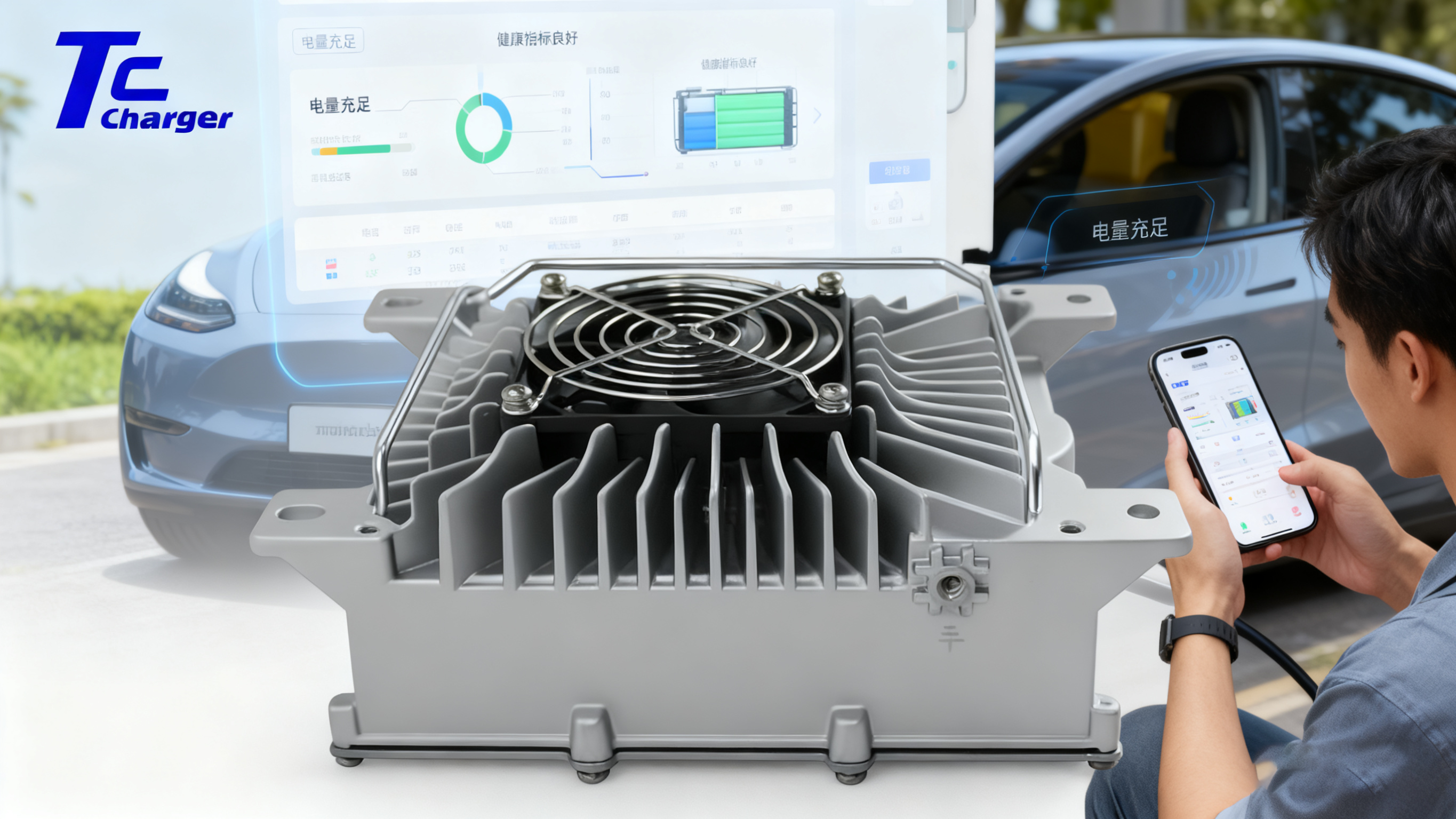
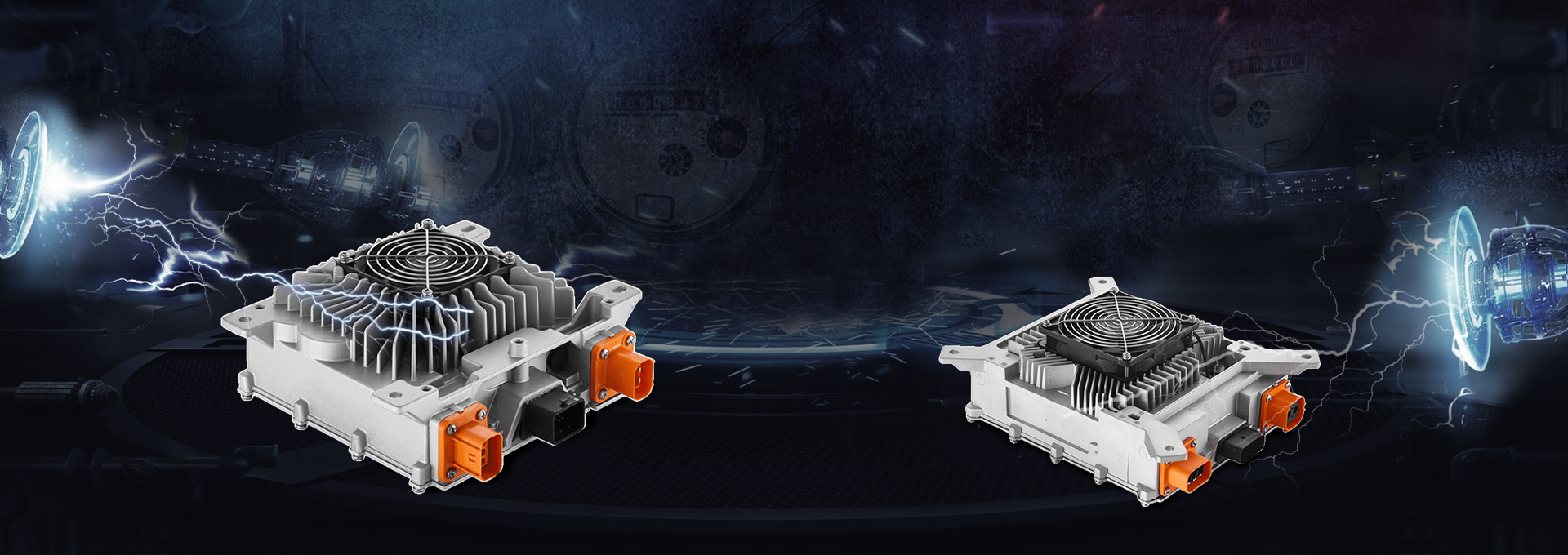
As the electric vehicle (EV) market continues to grow, one of the biggest industry debates revolves around charging infrastructure: battery swapping vs. fast charging. While both technologies aim to solve “range anxiety,” the role of the on-board charger (OBC) is often overlooked in this conversation. The OBC—the built-in device that converts AC power to DC for your EV’s battery—is not just a passive component. It’s a key player in determining which charging methods are viable, scalable, and sustainable for the future of EV mobility.
In this article, we’ll break down how on-board chargers shape the battery swapping vs. fast charging debate, their impact on different charging models, and what this means for drivers, manufacturers, and the environment.
The Core Role of On-Board Chargers in EV Charging
Before diving into the debate, let’s clarify the OBC’s role in different charging scenarios:
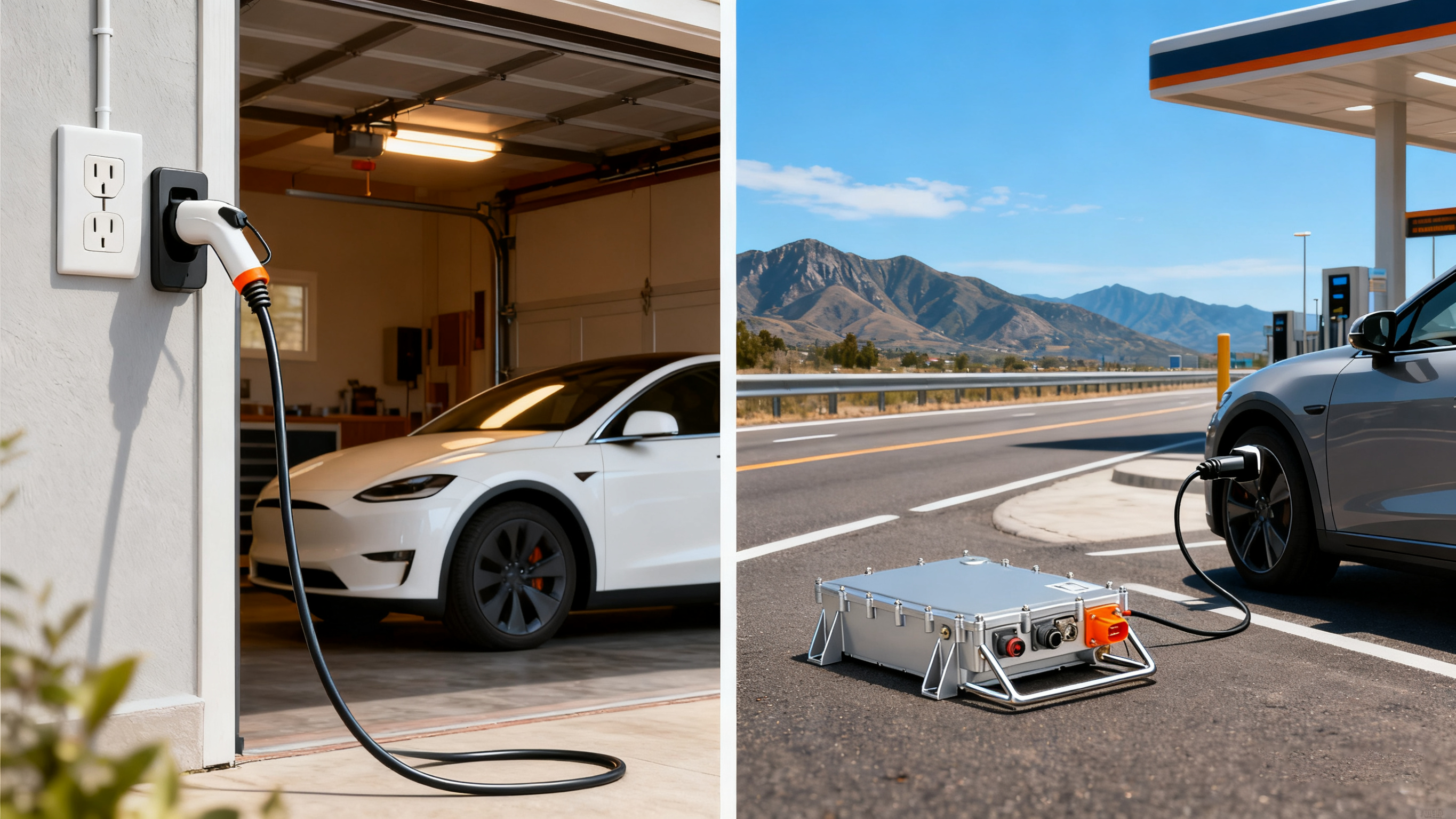
- AC Charging (Level 1 & 2): For home or public AC charging, the OBC is the heart of the process. It converts low-power AC electricity from standard outlets or Level 2 chargers into DC power the battery can use. The OBC’s power rating (e.g., 3.6kW, 7.2kW, 11kW) directly determines how fast your EV can charge at these stations.
- DC Fast Charging (Level 3): Unlike AC charging, DC fast chargers convert power off-board, sending high-voltage DC electricity directly to the battery. Here, the OBC is bypassed entirely, so it doesn’t limit charging speed—but it still regulates power flow to prevent battery damage.
- Battery Swapping: Battery swapping replaces a depleted battery pack with a fully charged one at a dedicated station. Since charging happens off-board, the OBC has no role in the swap process. However, the vehicle’s battery and OBC must be compatible with the swapping station’s technology for this model to work.
How On-Board Chargers Impact the Fast Charging Model
Fast charging has become the most popular public charging solution, thanks to its convenience and speed. But how does the OBC fit into this model?
- Compatibility and Standardization Challenges: Most modern EVs are built with OBCs optimized for AC charging, not all are fully compatible with fast-charging ecosystems. While DC fast chargers bypass the OBC, older EVs with lower-rated OBCs may still experience connectivity issues with newer fast-charging stations, limiting speed or causing errors.
- Indirect Strain on OBCs (and Batteries): While DC fast charging doesn’t use the OBC directly, frequent fast charging can stress the entire battery system, including the OBC. Rapid temperature changes and high power loads accelerate wear over time, reducing the OBC’s lifespan.
- Scalability and Infrastructure Costs: Fast charging relies on expensive off-board stations, requiring significant investment from governments and private companies. Since OBCs are built into the vehicle, there’s no need for standardized battery packs, making fast charging flexible for different EV models—but also costly to scale, as stations must support multiple connector types and power levels.
How On-Board Chargers Impact the Battery Swapping Model
Battery swapping, once seen as a promising alternative to fast charging, has faced adoption challenges—and the OBC is a key reason why:
- Vehicle Design and Compatibility Barriers: For battery swapping to work, every EV must have a standardized, removable battery pack compatible with the station’s equipment. However, most modern EVs have integrated battery packs and OBCs tightly linked to the vehicle’s electronics. Modifying these systems to support swappable batteries requires major overhauls, increasing manufacturing costs and limiting design flexibility for automakers.
- Redundancy of On-Board Chargers: In a battery swapping ecosystem, the OBC becomes redundant for public charging (since all charging happens off-board). Drivers would only use their OBC for home charging, reducing its utility and making high-quality, high-rated OBCs less cost-effective for automakers to include.
- Infrastructure and Standardization Hurdles: Unlike fast charging (with widely adopted standards like CCS and Tesla’s NACS), battery swapping requires universal standards for battery size, shape, and communication protocols. Without these, swapping stations can only support specific EV models, limiting scalability. The OBC’s design is tied to the vehicle’s battery management system, making a one-size-fits-all solution difficult to achieve.
The Middle Ground: Hybrid Models and the Future of On-Board Chargers
Many experts believe the future of EV mobility won’t be an either/or choice between battery swapping and fast charging—but a hybrid model that leverages the strengths of both, with the OBC playing a central role:
- High-Rated OBCs for Faster AC Charging: Automakers are increasingly installing higher-rated OBCs (up to 22kW or more) in their EVs, allowing faster charging at home and public Level 2 stations. This reduces reliance on fast charging, making EV ownership more convenient for daily use and easing strain on public fast-charging infrastructure.
- Modular Battery and OBC Designs: Some manufacturers are exploring modular battery packs and OBCs that support both swappable batteries and traditional charging. These designs let drivers swap batteries for long trips and charge at home using their OBC for daily use, combining the best of both worlds.
- Wireless Charging and OBC Integration: Wireless EV charging uses magnetic induction to transfer power to the vehicle, relying on a modified OBC to convert power from the wireless pad. As wireless charging improves, OBCs will play a key role in enabling this convenient, hands-free charging method, further reducing the need for public fast-charging stations.
What This Means for Drivers
For everyday EV owners, the OBC’s role in the charging debate translates to practical benefits and considerations:
- Home Charging Remains King: Even as fast charging and battery swapping evolve, home AC charging (powered by your OBC) will remain the most common and cost-effective way to charge your EV. A well-maintained OBC ensures reliable overnight charging without relying on public infrastructure.
- Fast Charging as a Backup, Not a Primary Solution: Frequent fast charging can shorten the lifespan of both your battery and OBC, so it’s best reserved for long trips or emergencies. Your OBC’s efficiency at home charging means you’ll rarely need public fast chargers for daily use.
- Battery Swapping Is Still Niche: Unless you drive a model designed for swapping (like Nio’s vehicles in China), battery swapping is not yet viable for most drivers. For now, investing in a good home charger and maintaining your OBC is the best way to ensure stress-free EV ownership.
Conclusion
The debate between battery swapping and fast charging often overlooks the on-board charger, but this small built-in device is a cornerstone of EV mobility. It determines how you charge at home, influences the viability of public charging models, and shapes the future of sustainable transportation.
While fast charging dominates the public space today, the OBC will continue to play a critical role in home charging, hybrid models, and emerging technologies like wireless charging. For drivers, this means prioritizing regular OBC maintenance, investing in a compatible home charger, and understanding how your vehicle’s charging system works—so you can enjoy reliable, efficient EV ownership for years to come.
Comment