How Hydrogen Fuel Cell Vehicles Compare to Battery EVs in Charging Needs
Jul 31,2025 | TC CHARGER
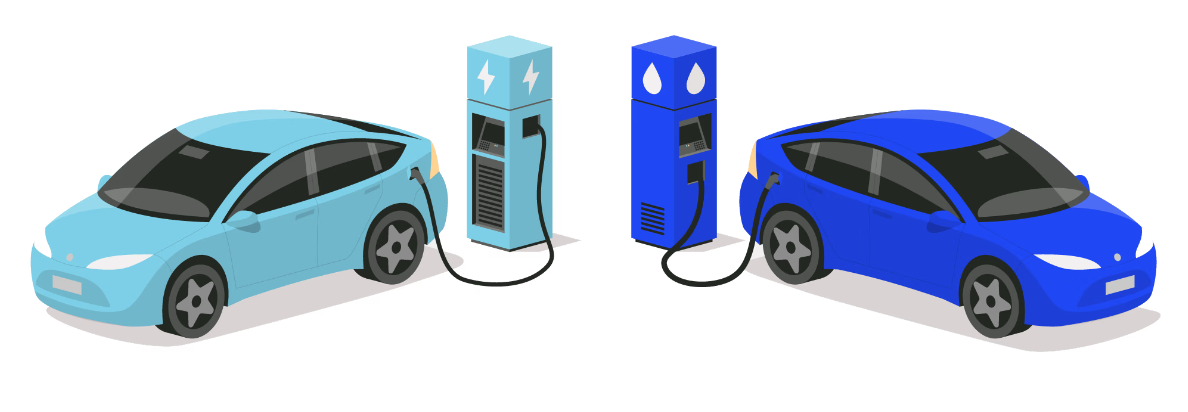
As the world shifts toward sustainable transportation, two technologies have emerged as leading solutions: hydrogen fuel cell vehicles (FCVs) and battery electric vehicles (BEVs). While both aim for zero emissions, their refueling and charging requirements present unique challenges and opportunities. At TC Charger, we analyze how infrastructure must evolve to support both technologies—and what this means for the future of clean mobility.
Charging vs. Hydrogen Refueling: Key Differences
1. Battery Electric Vehicles (BEVs)
✔ Power Source: Electricity stored in lithium-ion batteries
✔ Refueling Method: Plug-in charging (AC/DC)
✔ Infrastructure Needs:
-
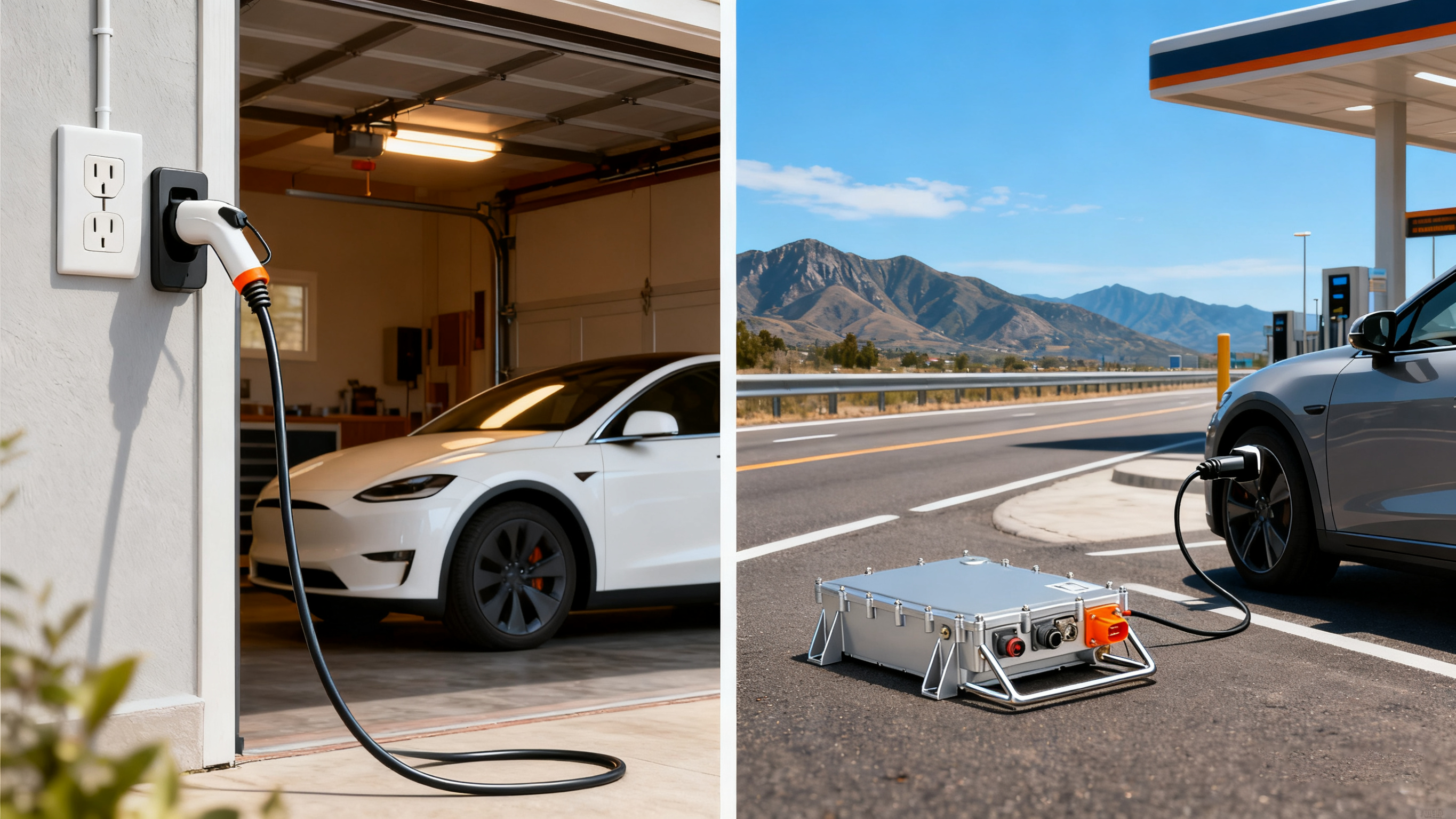
Home Charging: Level 1/2 chargers (overnight charging)
-
Public Charging: Fast DC chargers (30-80% in 20-40 mins)
-
Scalability: Easier to deploy (uses existing electrical grids)
✅ Advantages:
-
Lower operating costs
-
Expanding global charging networks
-
Ideal for daily commutes & urban driving
❌ Challenges:
-
Longer charging times vs. gasoline/FCVs
-
Grid strain during peak demand
2. Hydrogen Fuel Cell Vehicles (FCVs)
✔ Power Source: Hydrogen gas converted to electricity via fuel cell
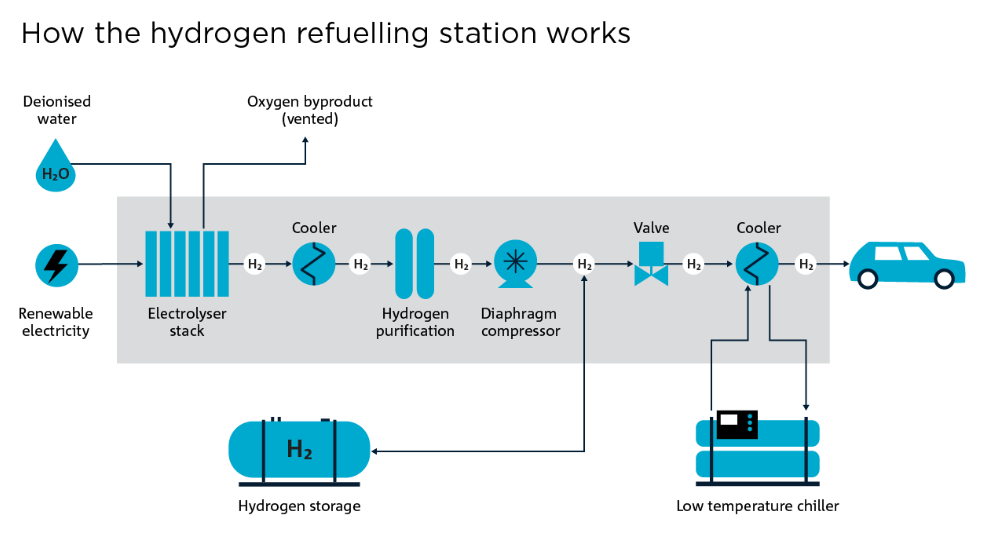
✔ Refueling Method: Compressed hydrogen pumps (similar to gasoline)
✔ Infrastructure Needs:
-
Hydrogen Stations: Limited, expensive to build (~$2M per station)
-
Production & Transport: Requires large-scale H₂ generation & distribution
✅ Advantages:
-
3-5 minute refueling (like gasoline)
-
Better for long-haul trucks & buses
-
No battery degradation over time
❌ Challenges:
-
High production costs (green hydrogen is still rare)
-
Limited refueling stations (~500 globally)
TC Charger’s Perspective: Which Technology Wins?
Short-Term (Next 5-10 Years): BEVs Lead
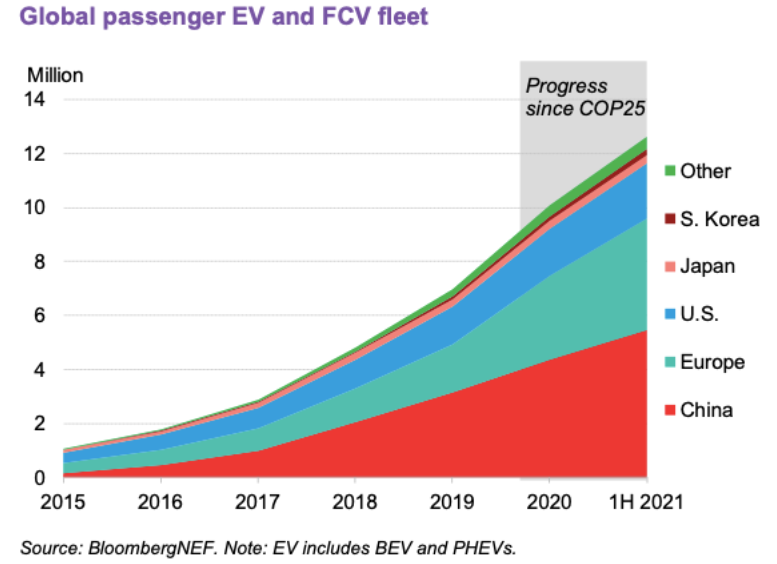
🔹 Charging networks are expanding rapidly (1M+ public chargers worldwide).
🔹 Battery costs keep falling, making BEVs more affordable.
🔹 Governments prioritize EV incentives (tax credits, charging subsidies).
Long-Term (2030+): FCVs for Heavy-Duty Transport
🔹 Hydrogen’s energy density suits trucks, ships, and aviation.
🔹 Refueling speed critical for logistics & fleet operators.
🔹 Renewable hydrogen (green H₂) could make FCVs truly zero-emission.
Hybrid Solutions? The Best of Both Worlds
Some industries may adopt dual infrastructure:
-
Urban EVs (BEVs for short trips)
-
Long-haul & industrial (FCVs for heavy loads)
The Future of Charging & Refueling Infrastructure
For BEVs:
✔ Ultra-fast charging (350kW+ stations)
✔ Battery swapping pilots (NIO, Tesla testing)
✔ Vehicle-to-Grid (V2G) integration
For FCVs:
✔ More green hydrogen production (solar/wind-powered electrolysis)
✔ Modular hydrogen stations (lower-cost deployment)
✔ Government-backed H₂ corridors (e.g., EU’s Hydrogen Highway)
Conclusion: A Dual-Path Future?
While BEVs dominate personal vehicles, FCVs could revolutionize freight and long-distance transport. At TC Charger, we support both technologies by developing:
-
Smart charging solutions for BEVs
-
Energy management for future H₂ stations
Which technology do you think will lead? [Join the discussion]
Comment