Auto Charger Demystified: Is It for Your Phone or Your Car?
Aug 06,2025 | TC CHARGER
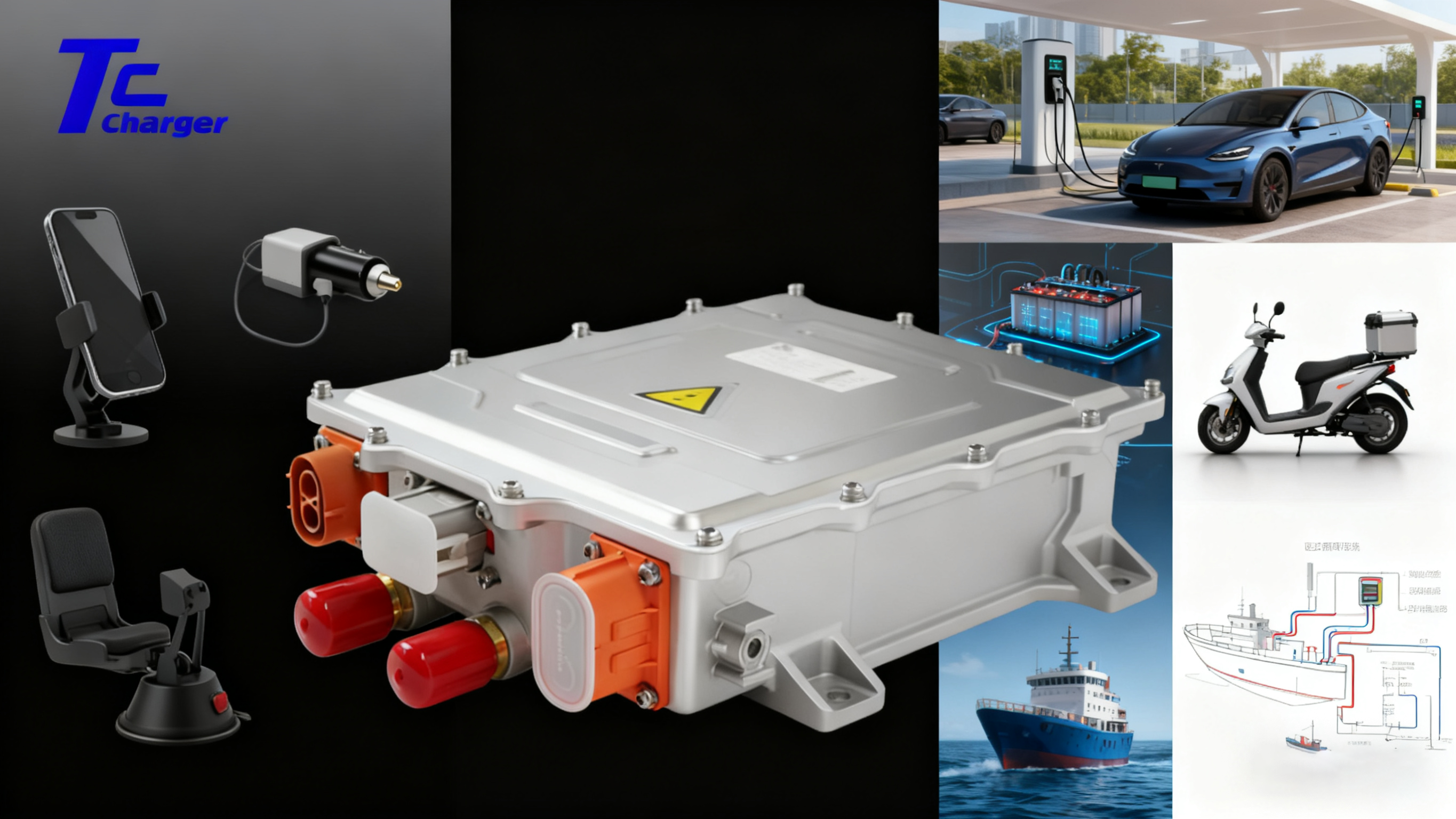
The term "auto charger" is one of the most common yet ambiguous search phrases today. Are you looking for a way to charge your phone in the car, or are you researching how to charge your electric vehicle? This simple term covers a vast technological landscape.
This guide will clarify the different types of auto chargers and help you understand what you're really looking for.
Type 1: The In-Car Accessory Charger
This is the most common and traditional meaning. An auto charger in this context is a device that plugs into your car's 12V accessory socket (the "cigarette lighter") to charge personal electronics like smartphones, tablets, or GPS units.
Key Features:
-
USB Ports: Modern versions feature one or more USB-A or USB-C ports.
-
Fast Charging: Look for chargers that support protocols like Quick Charge or Power Delivery for faster phone charging.
-
Compact Design: They are small, portable, and designed for convenience.
What it is: A simple DC-to-DC power adapter that converts your car's 12V DC power to the 5V/9V/12V DC power required by your USB devices.
Type 2: The 12V Battery Charger/Maintainer
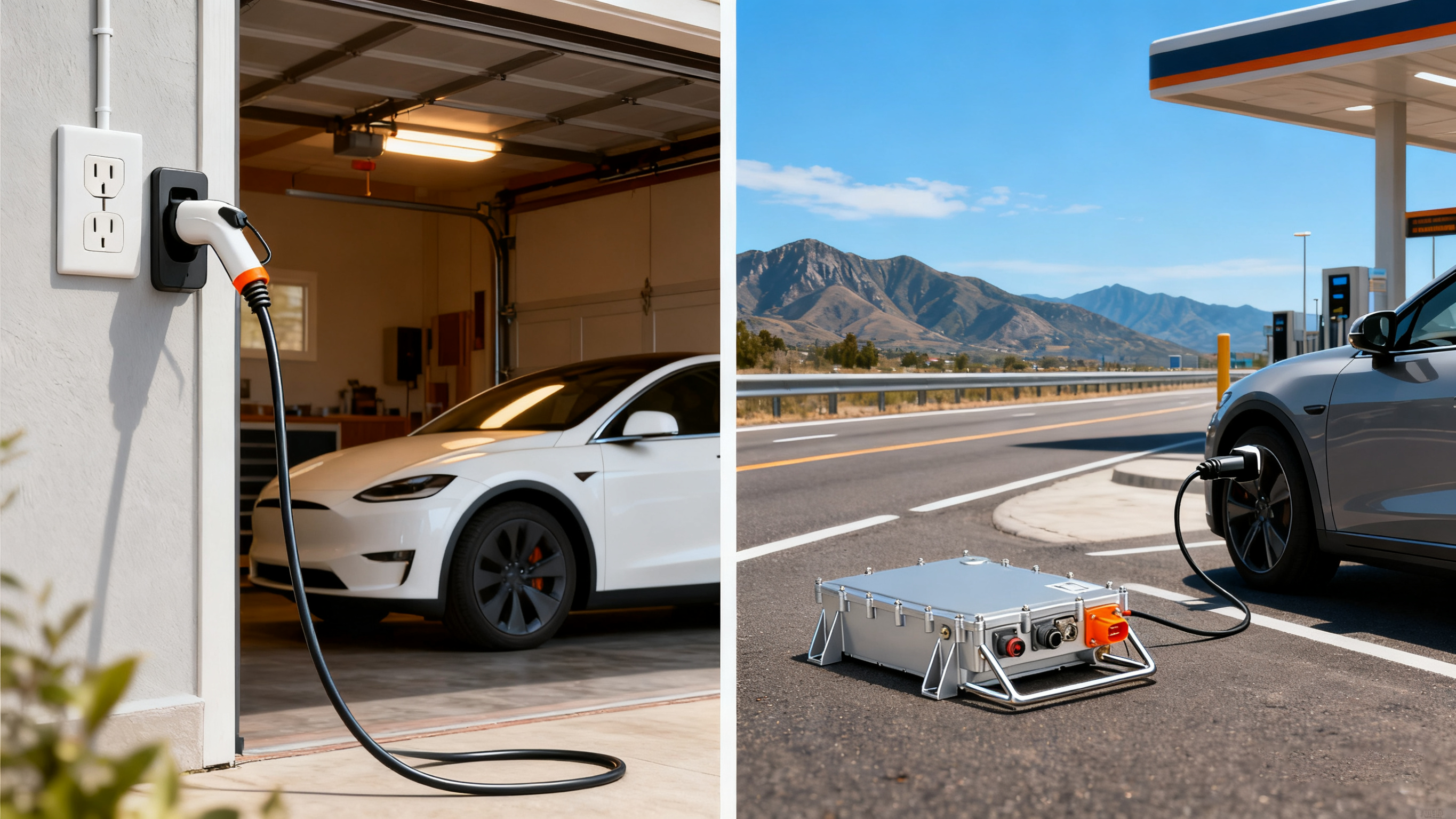
This type of auto charger is designed for the vehicle itself—specifically, the 12V lead-acid battery found in all gasoline and diesel cars.
Key Features:
-
Battery Maintenance: Often called a "trickle charger" or "battery maintainer," it keeps your 12V battery at full charge during long periods of inactivity.
-
Smart Charging: Automatic, multi-stage charging (bulk, absorption, float) prevents overcharging and extends battery life.
-
Safety: Spark-proof and reverse-polarity protection are essential safety features.
What it is: An external device that plugs into a wall outlet to provide AC power, which is then converted to DC to safely charge and maintain your car's 12V battery.
Type 3: The Electric Vehicle (EV) Charging System
This is where the term "auto charger" takes on a much more sophisticated meaning. For an electric vehicle, the true auto charger is built into the car itself.
This critical component is called the Onboard Charger (OBC).
How it Works:
-
External Power Source: You plug a cable (called EVSE, or Electric Vehicle Supply Equipment) into your EV.
-
The Real "Auto Charger": The onboard charger (OBC) inside the car receives Alternating Current (AC) from the wall.
-
Conversion: The OBC's job is to convert that AC power into Direct Current (DC) power that the vehicle's high-voltage battery can store.
-
Management: It intelligently manages the charging process, communicating with the battery to ensure safety and efficiency.
What it is: A complex piece of power electronics that is a core part of an EV's powertrain. Its power rating (e.g., 7.4 kW, 11 kW) determines how fast your car can charge from a Level 1 or Level 2 AC station.
Choosing the Right Auto Charger: A Quick Guide
-
For Your Phone: Look for a "car phone charger" or "12V USB charger" with enough ports and the right fast-charging standard for your devices.
-
For Your Car's 12V Battery: Search for a "battery maintainer," "trickle charger," or "smart battery charger."
-
For Your Electric Vehicle: Understand that the onboard charger is already installed. Your decision is about the EVSE (the home charging station) that matches your OBC's capabilities. You might search for a "Level 2 home EV charger."
Why the Distinction Matters
Using the wrong type of auto charger can be ineffective or even dangerous. Plugging a 12V battery maintainer into an EV's charging port won't work, and using a cheap, low-quality phone charger could damage your device.
Understanding the difference ensures you get the right tool for the job, whether it's a simple accessory or a critical component for your vehicle's operation.
The technology behind auto charging is more fascinating than ever. At OnBoard-Charger.com, we focus on the heart of EV charging—the onboard charger. Explore our resources to learn how this essential component is powering the future of transportation.
Comment