48V vs 72V On-Board Charger (OBC): Which is Better for Your EV?
Aug 09,2025 | TC CHARGER
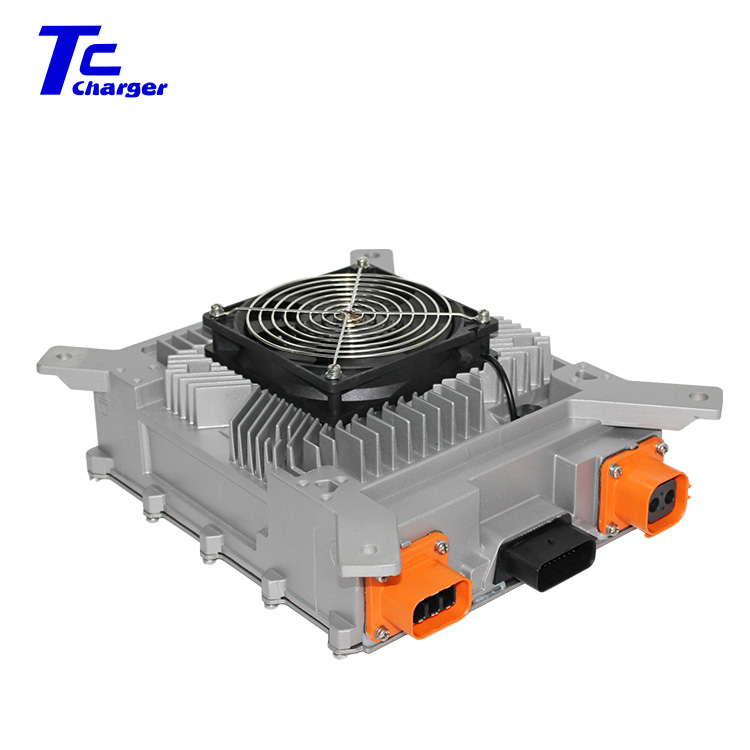
Choosing the right on-board charger (OBC) is critical for your electric vehicle's performance, efficiency, and charging speed. Two common options are 48V and 72V systems, each with distinct advantages. In this guide, we’ll compare them to help you decide which is best for your EV.
Key Differences Between 48V and 72V OBCs
| Feature | 48V OBC | 72V OBC |
|---|---|---|
| Voltage Level | Lower (48V) | Higher (72V) |
| Power Efficiency | Good for light EVs | Better for high-performance EVs |
| Charging Speed | Slower (depends on current) | Faster (higher voltage = less current needed) |
| Cost | More affordable | More expensive (due to higher-rated components) |
| Battery Compatibility | Common in small EVs, golf carts, and low-speed vehicles | Used in larger EVs, e-bikes, and performance conversions |
| Heat Generation | Lower heat due to lower voltage | More heat, requiring better cooling |
| Wiring & Safety | Thicker cables needed for high current | Thinner cables (lower current for same power) |
When to Choose a 48V OBC
✔ Best for:
-
Small EVs (neighborhood electric vehicles, golf carts)
-
Budget builds (lower component costs)
-
Lightweight applications (e-bikes, scooters, utility vehicles)
Pros:
✅ Lower cost for chargers and batteries
✅ Easier to find compatible components
✅ Safer for DIY installations (lower voltage risk)
Cons:
❌ Slower charging for larger battery packs
❌ Higher current required for the same power (thicker wiring)
When to Choose a 72V OBC
✔ Best for:
-
High-performance EVs (conversion cars, electric motorcycles)
-
Faster charging needs (higher voltage = more efficient power transfer)
-
Longer-range vehicles (supports bigger battery packs)
Pros:
✅ Faster charging (less current needed for the same power)
✅ Better efficiency for high-power applications
✅ Lighter wiring (lower current = thinner cables)
Cons:
❌ More expensive (higher-voltage components cost more)
❌ Requires better cooling and battery management
❌ Not as widely supported in entry-level EVs
Which One Should You Pick?
Go for 48V If:
-
You’re building a low-cost, lightweight EV (e.g., golf cart, small utility vehicle).
-
You prioritize affordability and simplicity over speed.
-
Your battery pack is under 10 kWh.
Go for 72V If:
-
You need faster charging and higher efficiency.
-
Your EV is high-performance (e.g., electric motorcycle or converted car).
-
You have a large battery pack (15 kWh+) and want better range.
TC Charger’s Recommendations
-
For 48V systems: Our OBC-48S offers smart thermal management and CAN bus compatibility for seamless integration.
-
For 72V systems: The OBC-72X features high-efficiency charging (up to 94%) and active cooling for demanding applications.
[Compare OBC Models] | [Get Expert Advice]
Comment