On Board Charger 101: The Essential Guide to Your EV's Power Hub
Sep 03,2025 | TC CHARGER
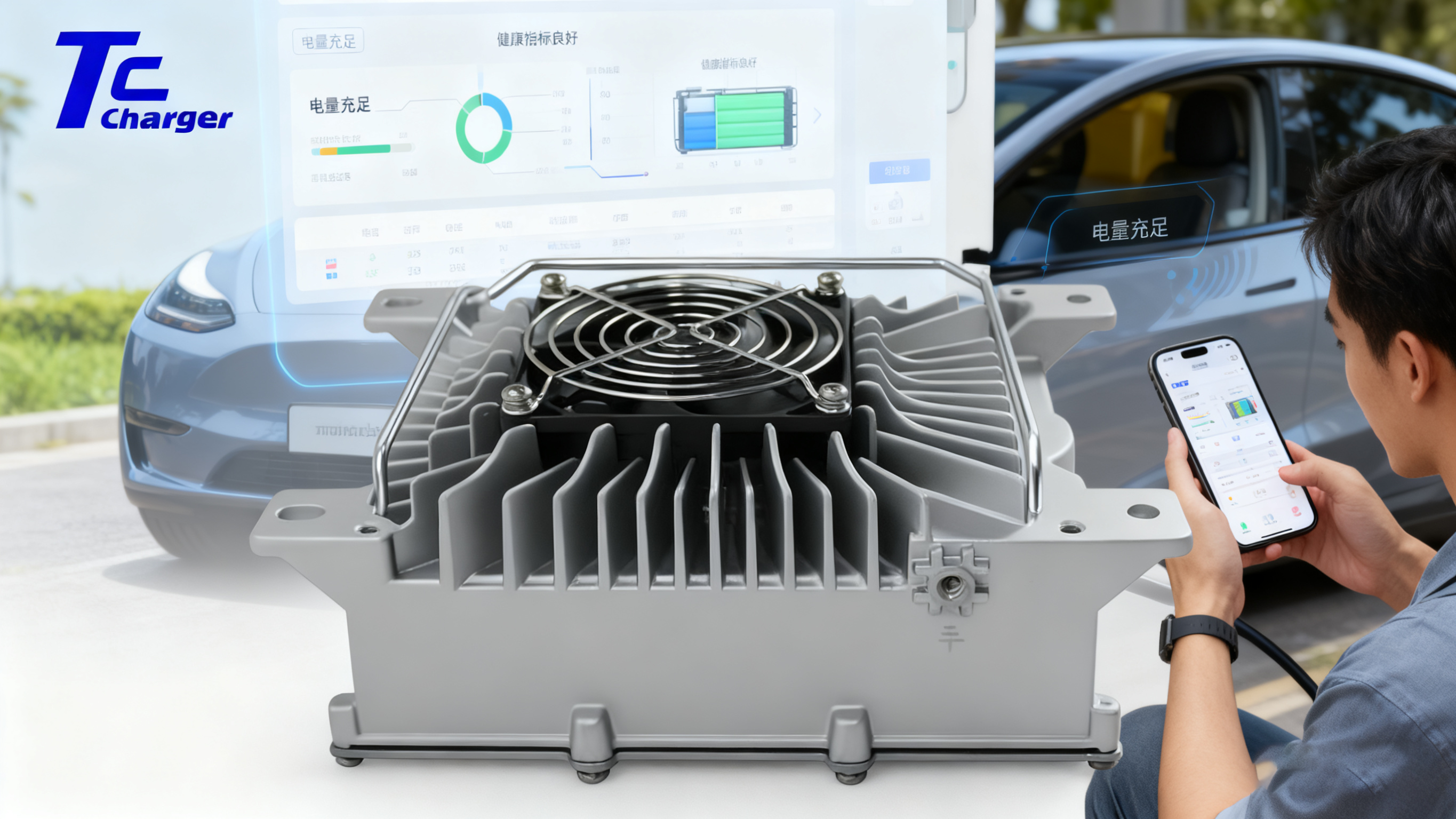
If you own or are considering an electric vehicle (EV), you've likely heard terms like "range," "battery size," and "fast charging." But there’s a silent hero working behind the scenes every time you plug in at home: the on board charger, or OBC.
Understanding your EV's on board charger is key to understanding your vehicle's capabilities and limitations. Let's dive into what it is, how it works, and why it's so important.
What is an On Board Charger (OBC)?
Simply put, the on board charger is an essential component built into your electric vehicle. Its primary job is to convert alternating current (AC) electricity from your home charger or public charging station into direct current (DC) electricity that your car's battery can store and use.
Think of it as a sophisticated translator. The power grid speaks "AC," but your EV's battery only understands "DC." The onboard charger acts as this crucial interpreter, enabling safe and efficient charging.
How Does an On Board Charger Work?
The process is a marvel of modern engineering. Here’s a simplified breakdown:
-
AC Input: You plug your EV into an AC power source (like a Level 1 or Level 2 charger).
-
Conversion: The on board charger receives the AC power and rectifies it, converting it to DC power.
-
Regulation: It carefully regulates the voltage and current of this DC power to match the precise requirements of the lithium-ion battery pack.
-
Communication: The OBC constantly communicates with the charging station and the vehicle's Battery Management System (BMS) to ensure everything is safe, efficient, and within optimal temperature ranges.
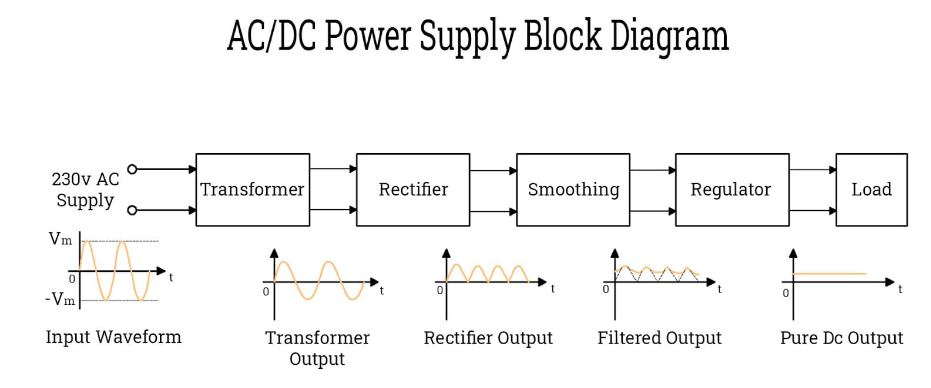
Image: A simplified diagram of the AC to DC conversion process handled by the onboard charger.
Key Specifications of an On Board Charger
When evaluating an EV, the on board charger's specs are critical. The main ones are:
-
Power Rating (kW): This determines your charging speed on AC power. A higher kW rating means a faster charge. Common ratings are 3.3 kW, 7.4 kW, 11 kW, and 22 kW.
-
Efficiency: This measures how much energy is lost as heat during the conversion from AC to DC. Higher efficiency (e.g., 92-94%) means more energy from the grid ends up in your battery, saving you money.
-
Number of Phases: Relates to the power input it can handle. Most standard home chargers are single-phase, while higher-power units may require a three-phase supply.
Why is the On Board Charger So Important?
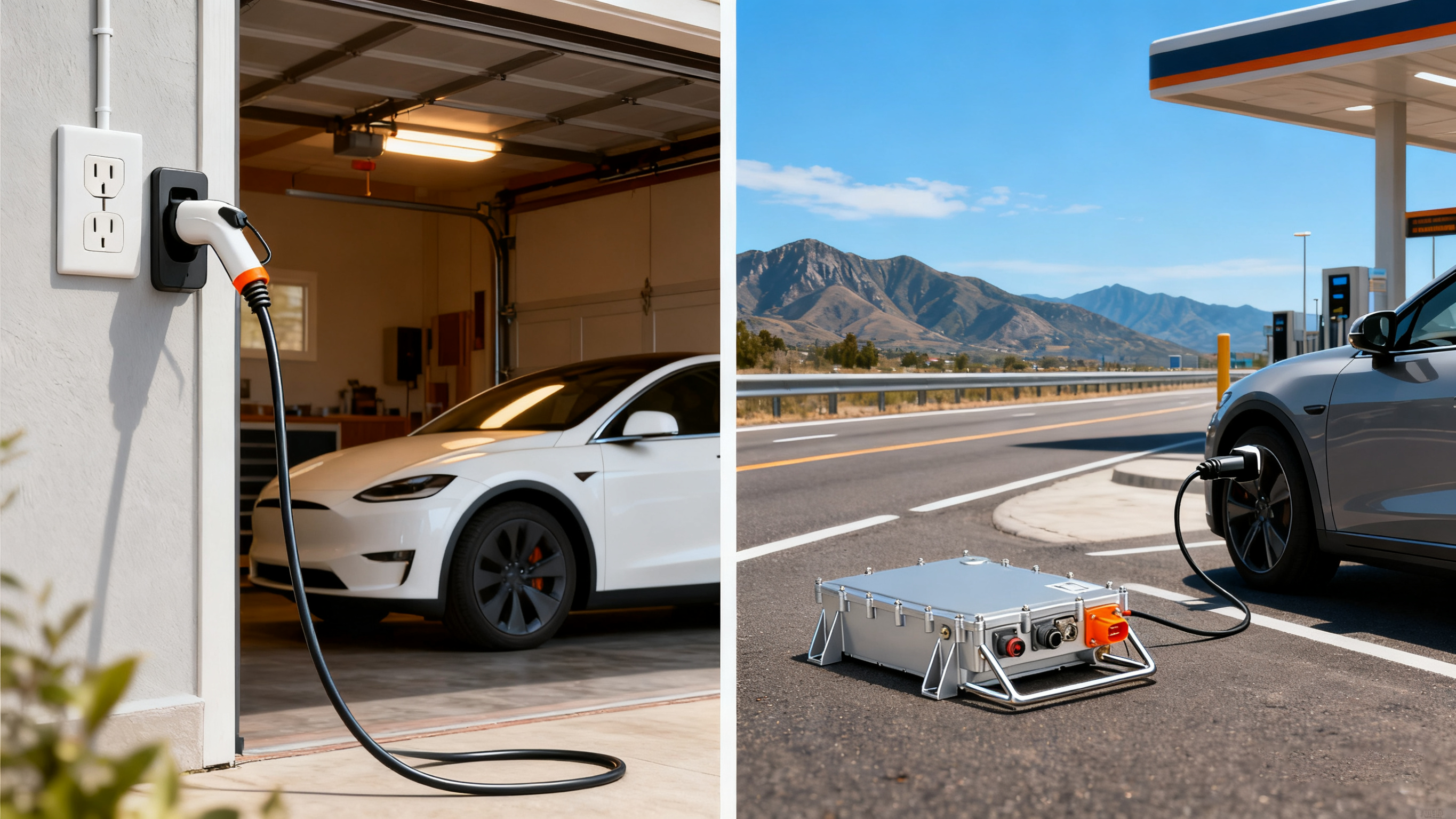
You can't charge your EV on AC power without it. While DC fast chargers bypass the OBC by supplying DC power directly to the battery, they are expensive and not ideal for daily use. The on board charger is your vehicle's primary tool for convenient, overnight charging at home or work.
A high-power onboard charger is a significant quality-of-life feature, drastically reducing the time needed to recharge your vehicle's battery fully.
Looking for a Reliable On Board Charger?
The technology behind on board chargers is rapidly evolving, becoming more powerful, efficient, and compact. Whether you're an OEM, a developer, or an EV enthusiast, understanding this core component is essential.
At OnBoard-Charger.com, we are dedicated to providing cutting-edge on board charger solutions and information. We explore the latest innovations, technical deep dives, and industry news.
Ready to learn more? Explore our site for detailed product information, technical specifications, and the future of EV charging technology.
Comment