How to Install a 48V On-Board Charger? – Step-by-Step Guide
May 08,2025 | TC CHARGER
Installing a 48V on-board charger (OBC) is essential for electric vehicles (EVs), marine applications, and off-grid power systems. Whether you're upgrading your current charger or installing a new one, this guide will walk you through the process safely and efficiently.
Tools & Materials Needed
Before starting, gather the following:
✅ 48V On-Board Charger (compatible with your battery system)
✅ Wiring harness & connectors (check manufacturer specs)
✅ Screwdrivers & wrenches (for mounting)
✅ Multimeter (to test voltage)
✅ Insulation tape & heat shrink tubing (for secure connections)
✅ Safety gloves & goggles
Step 1: Safety Precautions
⚠ Always disconnect the battery before installation to avoid short circuits.
⚠ Work in a dry, well-ventilated area to prevent electrical hazards.
⚠ Follow the manufacturer’s manual for specific wiring and voltage requirements.
Step 2: Choose the Right Location
The OBC should be installed:
🔹 Close to the battery pack (to minimize voltage drop).
🔹 In a well-ventilated area (prevents overheating).
🔹 Away from water, heat sources, and moving parts.
Example locations:
-
Under the vehicle’s hood (for EVs).
-
Inside a waterproof enclosure (for marine use).
Step 3: Mount the Charger
-
Secure the charger using screws or brackets (check mounting holes).
-
Ensure proper airflow around the unit (avoid blocking vents).
Step 4: Wiring the OBC
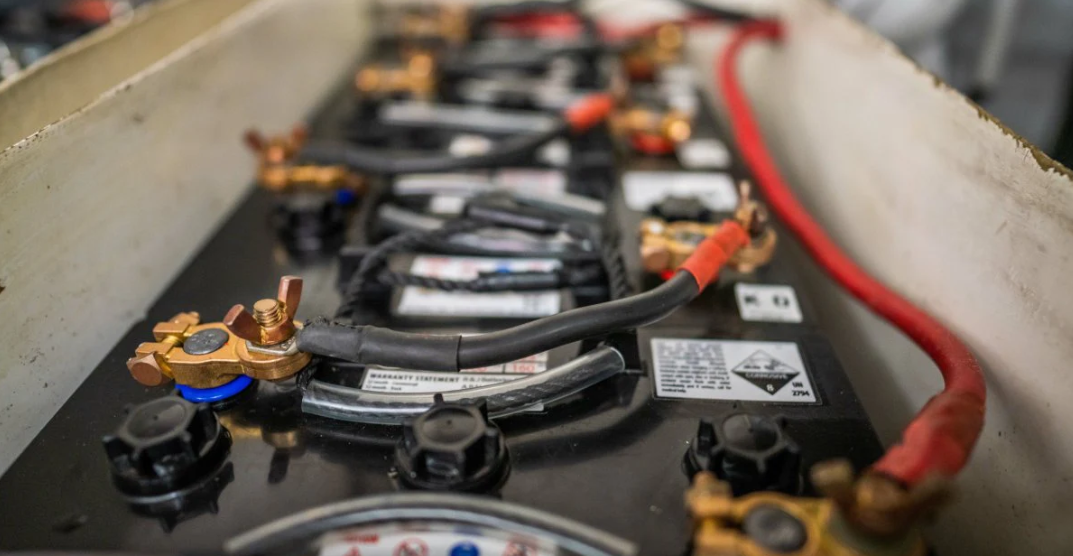
A. Connect to the Battery
-
Positive (+) terminal → Connect to the battery’s positive terminal.
-
Negative (-) terminal → Connect to the battery’s negative terminal.
-
Use proper gauge wires (refer to the charger’s manual).
B. Connect to AC Power (If Applicable)
-
For plug-in chargers, wire the AC input to a grounded 110V/220V outlet.
-
Use a circuit breaker for safety.
C. Optional: Connect to a Battery Management System (BMS)
-
Some OBCs require a BMS link for optimal charging.
-
Follow the manufacturer’s wiring diagram.
Step 5: Test the Installation
-
Reconnect the battery.
-
Turn on the charger and check:
-
LED indicators (should show charging status).
-
Voltage output (use a multimeter to confirm 48V).
-
-
Monitor for overheating or unusual noises.
Step 6: Troubleshooting Common Issues
❌ Charger not turning on?
→ Check fuses, wiring connections, and battery voltage.
❌ Overheating during charging?
→ Ensure proper ventilation and reduce charging current if needed.
❌ Slow charging speed?
→ Verify wire thickness and battery health.
Conclusion
Installing a 48V on-board charger requires careful planning, proper wiring, and safety checks. By following this guide, you can ensure a smooth and efficient installation for your EV, boat, or solar power system.
🔧 Need a high-quality 48V OBC? Check out our premium on-board chargers for reliable performance!
📢 Have questions? Comment below or contact our experts for support!
Why Choose Our On-Board Chargers?
✔ High Efficiency (95%+) – Faster charging, less energy loss.
✔ Waterproof & Dustproof (IP67) – Ideal for marine & off-road use.
✔ Smart BMS Integration – Protects your battery lifespan.
🚀 Upgrade your charging system today! Shop Now
Comment