Portable Electric Vehicle Charger: Your Guide to Mobile EV Charging Freedom
May 02,2025 | TC CHARGER
For electric vehicle owners, charging flexibility is no longer a luxury—it's a necessity. A portable electric vehicle charger represents freedom from range anxiety and dependence on fixed charging stations. Whether you're on a road trip, visiting family, or simply need backup charging options, understanding portable EV charging solutions is crucial for modern electric mobility.
What is a Portable Electric Vehicle Charger?
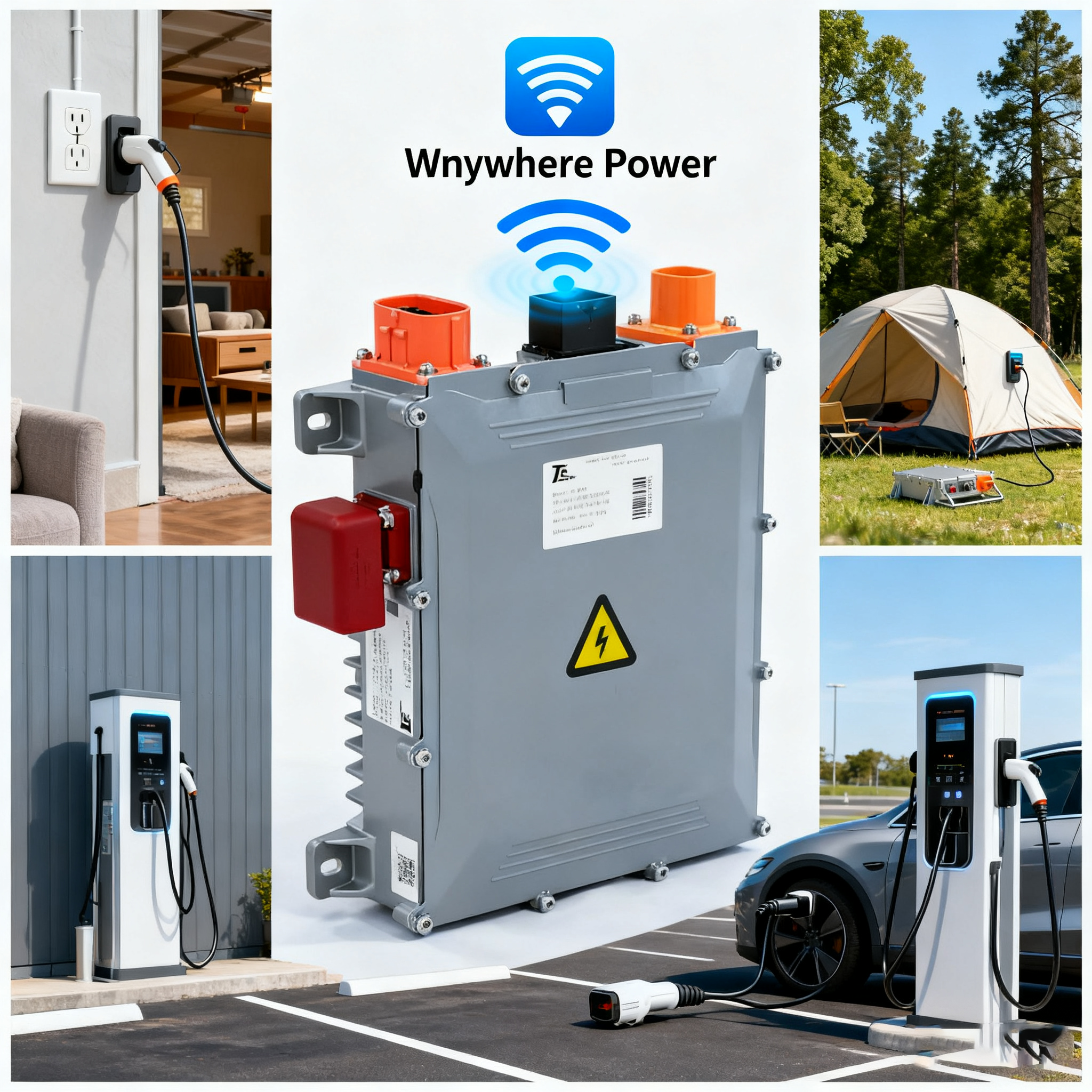
A portable electric vehicle charger (more accurately called portable EVSE - Electric Vehicle Supply Equipment) is a mobile charging unit that allows EV owners to charge their vehicles from standard electrical outlets. Unlike fixed home charging stations, these devices are designed for travel and emergency use.
Key Components:
-
Connector head (J1772, CCS, or Type 2 depending on region)
-
Charging cable (typically 15-25 feet)
-
Control unit with safety features
-
Multiple plug adapters
-
Storage/carrying case
Types of Portable Electric Vehicle Chargers
1. Level 1 Portable Chargers
Power: 120V AC, 12-16 amps
Charging Speed: 3-5 miles of range per hour
Best For:
-
Emergency backup charging
-
Overnight charging at standard outlets
-
Occasional use at locations without dedicated EV charging
Features:
-
Standard household plug (NEMA 5-15)
-
Lightweight and compact (2-5 lbs)
-
Usually included with new EV purchases
-
Lowest cost option
2. Level 2 Portable Chargers
Power: 240V AC, 16-40 amps
Charging Speed: 12-30 miles of range per hour
Best For:
-
Regular home charging without permanent installation
-
Vacation homes and rental properties
-
Workplace charging flexibility
-
Faster charging on the go
Features:
-
Various plug types (NEMA 14-50, 6-20, 10-30)
-
Faster charging capabilities
-
Often includes smart features
-
Heavier and more substantial (8-15 lbs)
3. Emergency Portable Power Banks
Power: DC power delivery
Charging Speed: 10-20 miles in 30-60 minutes
Best For:
-
Emergency roadside assistance
-
Extending range in remote areas
-
Backup for unexpected low charge situations
Features:
-
Large battery capacity (2-5 kWh)
-
Heavy and expensive
-
Limited availability
-
Rapid deployment capability
Key Features to Look For
Safety Certifications
-
UL Listing or equivalent certification
-
Ground fault protection
-
Overcurrent protection
-
Thermal monitoring
-
Weather resistance (IP54 or higher for outdoor use)
Charging Performance
-
Amperage adjustability (8-40 amp settings)
-
Compatibility with your EV's onboard charger capacity
-
Cable length (20-25 feet ideal for flexibility)
-
LED status indicators for clear operation feedback
Convenience Features
-
Compact, portable design with carrying case
-
Integrated cable management
-
Multiple plug adapters for different outlets
-
Smart connectivity (Wi-Fi/app control in advanced models)
-
Durable construction for travel use
Benefits of Portable EV Chargers
1. Charging Flexibility
Charge your EV anywhere you can find a compatible outlet:
-
Standard household outlets at friends' homes
-
RV parks with NEMA 14-50 outlets
-
Vacation rentals and hotels
-
Workplaces with available outlets
-
Emergency situations when fixed chargers are unavailable
2. Cost-Effective Solutions
-
Avoid expensive public charging when alternatives exist
-
No need for multiple fixed chargers at different locations
-
Use at vacation homes without installation costs
-
Lower upfront cost compared to fixed stations
3. Emergency Preparedness
-
Backup charging capability during power outages
-
Peace of mind on long trips
-
Alternative charging locations when planned stations are occupied or out of service
-
Ability to help other EV owners in emergency situations
4. Travel Convenience
-
No range anxiety on road trips
-
Charge at destinations without dedicated EV infrastructure
-
Flexible itinerary planning
-
Independence from charging station availability
Technical Specifications to Consider
Power Requirements:
-
Voltage compatibility (120V/240V)
-
Amperage draw and circuit requirements
-
Plug types and adapter availability
-
Power quality and surge protection
Vehicle Compatibility:
-
Connector type matching your EV
-
Maximum charging rate supported by your vehicle's onboard charger
-
Communication protocol compatibility
-
Physical connector compatibility and ease of use
Top Portable EV Charger Brands
Premium Options:
-
Tesla Mobile Connector (with adapters)
-
Webasto Go (TurboCord)
-
Siemens portable chargers
-
ClipperCreek portable units
Value Choices:
-
Lecotron portable EVSE
-
Morec portable chargers
-
BougeRV mobile solutions
-
Various OEM replacement cables
Usage Tips and Best Practices
Safe Operation:
-
Always inspect the charger before use
-
Check outlet compatibility and rating
-
Ensure proper grounding of the outlet
-
Avoid extension cords when possible
-
Keep control box dry and off the ground
-
Monitor charging sessions periodically
Maximizing Efficiency:
-
Use the highest safe amperage for faster charging
-
Plan charging stops around available outlet types
-
Carry multiple plug adapters for different situations
-
Monitor charging through your vehicle's app
-
Time charging for optimal electrical rates when possible
Limitations and Considerations
Charging Speed Reality:
-
Level 1 charging is slow - plan accordingly for overnight needs
-
Circuit limitations may reduce available power at some locations
-
Not all outlets are EV-ready or properly wired
Practical Considerations:
-
Weight and storage space in your vehicle
-
Theft risk when charging in public locations
-
Weather exposure concerns during charging
-
Outlet availability at destinations may be limited
Future Trends in Portable EV Charging
Emerging Technologies:
-
Bi-directional charging capability
-
Integrated solar charging options
-
Lighter, more powerful designs
-
Enhanced smart features and connectivity
-
Universal compatibility across regions and standards
Market Developments:
-
Improved power density for emergency power banks
-
Standardization of connector systems
-
Cost reductions for advanced features
-
Integration with vehicle systems for smarter charging
Making the Right Choice
For Occasional Use:
-
Level 1 portable charger included with your vehicle
-
Basic safety features and reliability
-
Minimal additional investment required
For Regular Travel:
-
Dual-level portable charger (120V/240V compatible)
-
Multiple plug adapters for flexibility
-
Durable construction for frequent use
-
Adequate cable length for various parking situations
For Maximum Flexibility:
-
High-quality Level 2 portable charger
-
Comprehensive adapter set
-
Smart features for monitoring and control
-
Premium safety certifications and build quality
A portable electric vehicle charger is more than just a backup plan—it's your key to truly flexible electric driving. Whether you choose a basic Level 1 unit for emergencies or a versatile Level 2 charger for regular travel, the right portable charging solution will extend your driving confidence and eliminate range anxiety.
At OnBoard-Charger.com, we're committed to helping you understand all aspects of EV charging technology, from portable solutions to the advanced onboard chargers that make electric mobility possible.
Comment