Charging Ahead: An In-Depth Look at the Electric Vehicle Charger Market
Jul 17,2025 | TC CHARGER
The transition to electric mobility is no longer a question of "if" but "how fast." At the core of this seismic shift lies the electric vehicle charger market, a dynamic and critical industry segment projected to reach staggering valuations in the coming decade. Understanding this market's dynamics is essential for investors, policymakers, and automotive players alike.

This analysis breaks down the key drivers, segments, and future trends shaping the global landscape for EV charging.
Market Overview: Explosive Growth on the Horizon
The electric vehicle charger market is experiencing a compound annual growth rate (CAGR) of well over 25%. This surge is directly fueled by the exponential rise in EV adoption, ambitious government zero-emission targets, and continuous technological advancements. From a supporting role, charging infrastructure has become a main character in the EV story.
Key Market Segments: More Than Just Plugs
The market is broadly segmented, each with its own dynamics and key players:
1. By Charger Type: AC vs. DC
-
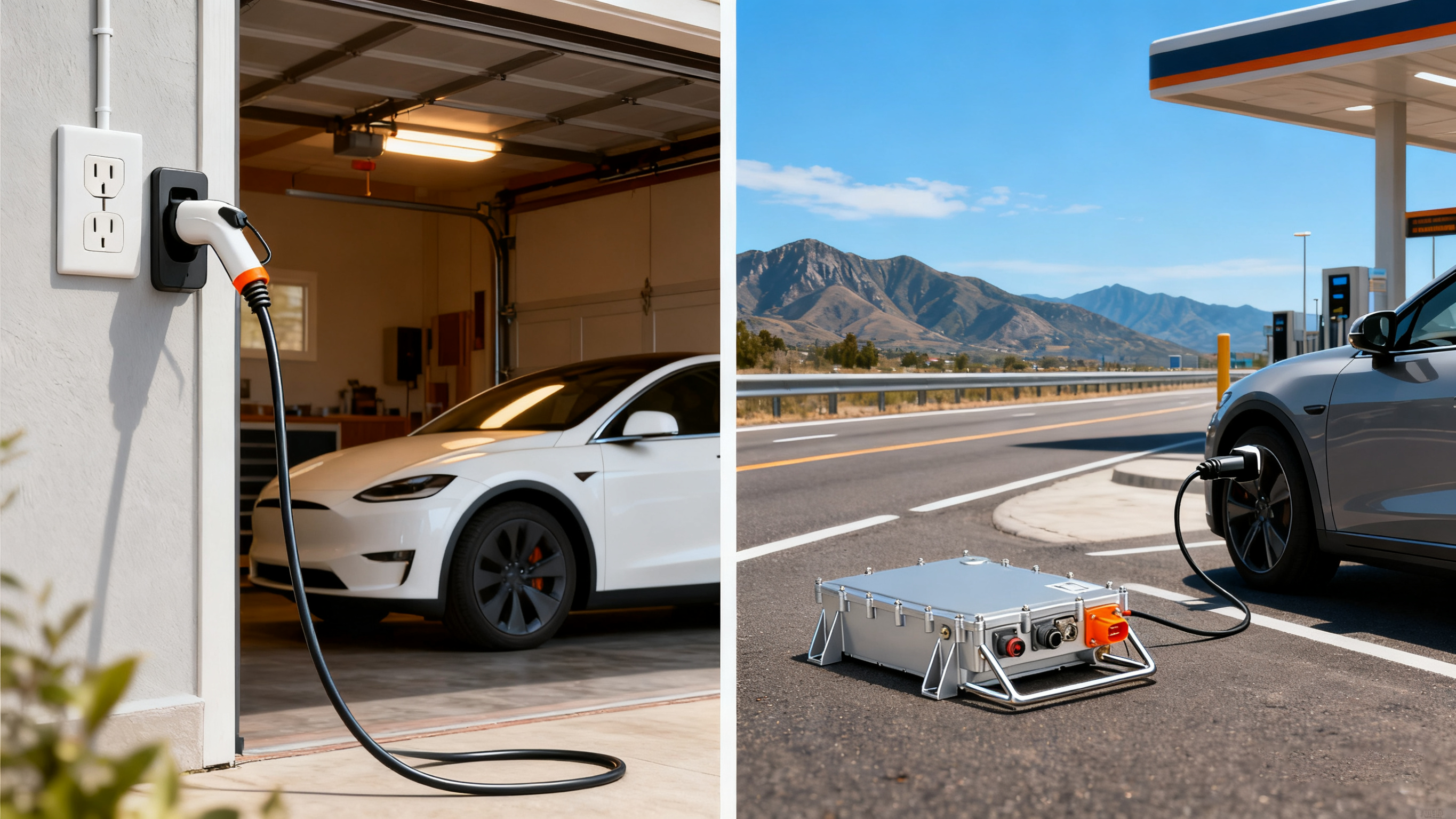
AC Chargers (Level 1 & 2): This segment currently holds the largest market share by volume. These chargers supply alternating current (AC) to the vehicle, where an onboard charger (OBC) converts it to DC for the battery. They are the backbone of home, workplace, and public destination charging.
-
Growth Driver: The necessity for convenient overnight and daily top-up charging.
-
-
DC Fast Chargers (DCFC): This segment is growing rapidly in terms of investment. DC chargers bypass the vehicle's OBC, supplying power directly to the battery for ultra-fast charging sessions (typically 20-40 minutes).
-
Growth Driver: The need for long-distance travel and quick urban charging solutions.
-
2. By Application:
-
Public Charging: Expanding networks are crucial for alleviating "range anxiety" and supporting EV owners without private parking.
-
Private Charging: This includes residential charging, which represents the majority of charging events, and fleet charging for commercial vehicles.
Key Drivers Powering the Market
Several powerful forces are accelerating the growth of the electric vehicle charger market:
-
Government Policies and Incentives: Subsidies for charger installation, tax credits, and outright bans on internal combustion engine (ICE) vehicles are powerful catalysts.
-
Falling Battery Costs: Lower battery prices make EVs more affordable, increasing the addressable market for chargers.
-
Technological Innovation: Advances in charging speed (high-power DC charging), connectivity (smart charging), and the emergence of bidirectional charging are creating new value propositions.
-
Corporate Investment: Major investments from automotive OEMs, oil and gas companies, and utility providers are fueling infrastructure rollouts.
The Critical Role of the Onboard Charger (OBC) in the Market
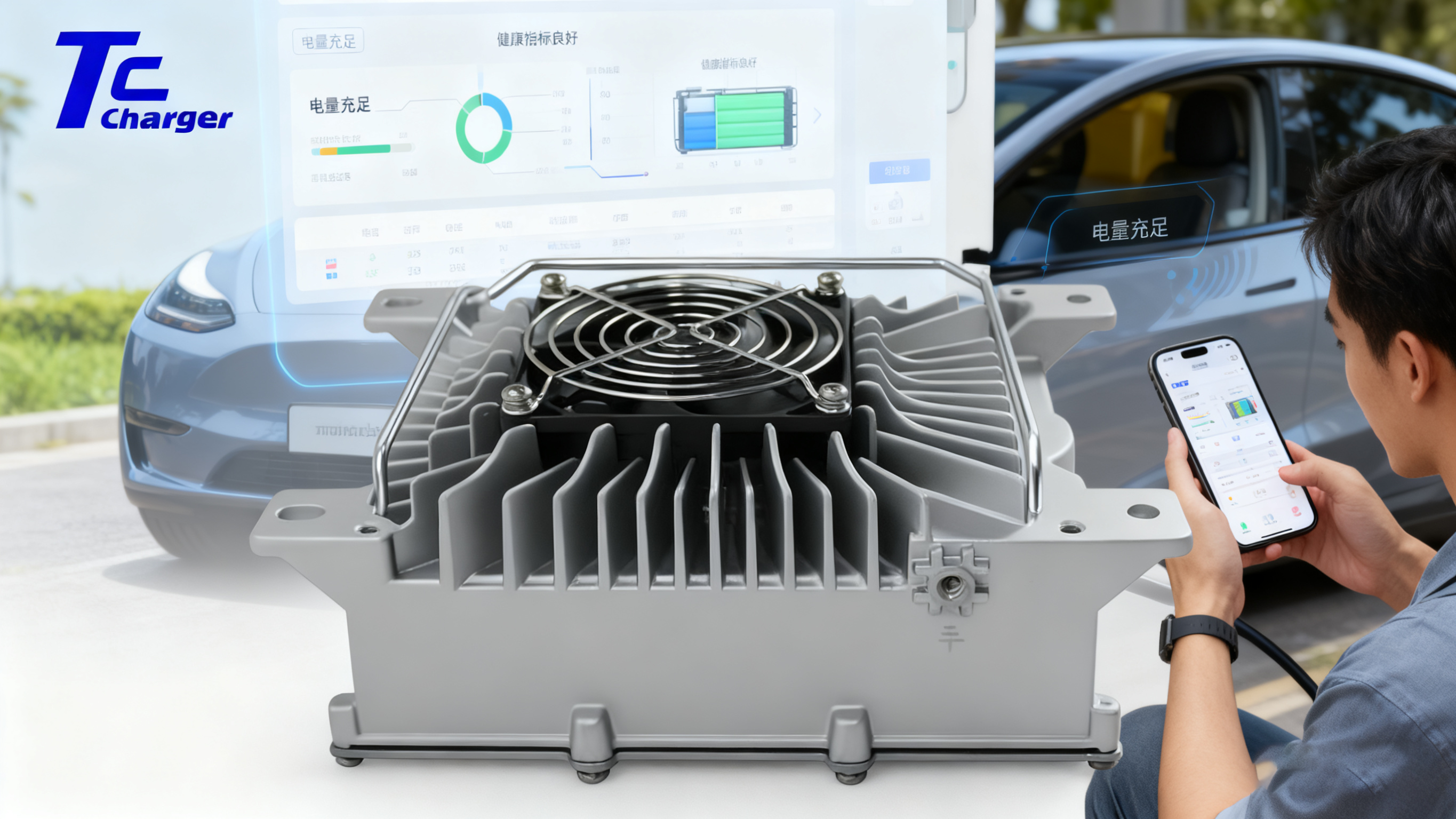
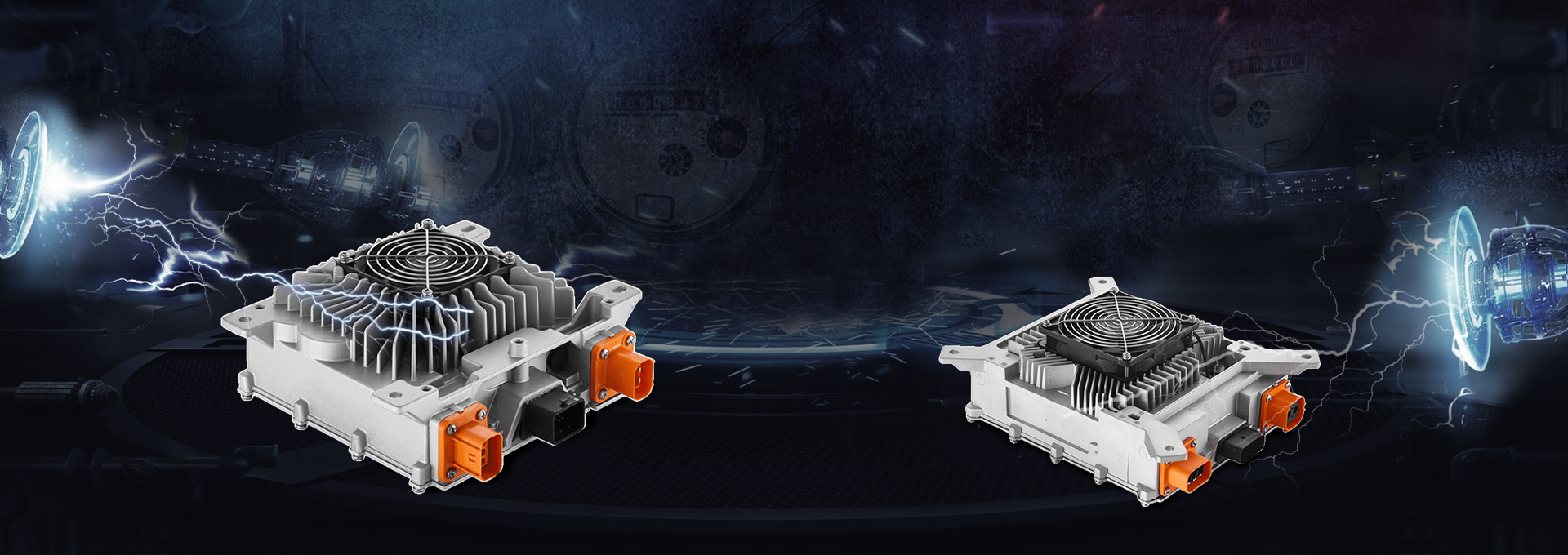
While DC fast chargers grab headlines, the onboard charger is the unsung hero of the electric vehicle charger market. Its importance cannot be overstated:
-
The Primary Charging Interface: For most EV owners, the OBC is the component they use daily. Its power rating (e.g., 7.4 kW, 11 kW, 22 kW) directly determines home charging speed and convenience.
-
A Key Differentiator for OEMs: The quality, efficiency, and power of the OBC are becoming competitive differentiators for automakers. A better OBC means a better customer experience.
-
Enabling Smart and Bidirectional Charging: The next generation of OBCs will be pivotal for Vehicle-to-Grid (V2G) and Vehicle-to-Home (V2H) applications, turning EVs into mobile energy storage units. This innovation will create entirely new revenue streams and stabilize power grids.
Future Trends Shaping the Electric Vehicle Charger Market
The market's evolution is just beginning. Key trends to watch include:
-
Ultra-Fast DC Charging: The race towards 350 kW and beyond continues, reducing charging times to near refueling-like experiences.
-
Bidirectional Charging (V2X): This will transform the relationship between EVs and the energy grid, creating a more resilient and decentralized energy system.
-
Consolidation and Partnerships: The market will see increased mergers and acquisitions as companies seek to offer end-to-end solutions.
-
Focus on Reliability and Uptime: As the fleet grows, network reliability will become as important as expansion.
Conclusion: A Market Full of Opportunity
The electric vehicle charger market is at an inflection point. It presents immense opportunities for innovation, investment, and collaboration. While the infrastructure expands outwardly with public DC networks, the internal technology of the onboard charger remains a critical area of advancement, defining the daily usability and future potential of every electric vehicle.
Staying informed about market trends is key to success. At OnBoard-Charger.com, we are not just observers but active innovators in this space, developing the advanced OBC technology that will power the next generation of electric vehicles.
Explore our site to learn more about our role in this dynamic market.
Comment