Battery Fully Charged: What It Means and How to Use a Charger Correctly
Sep 19,2025 | TC CHARGER
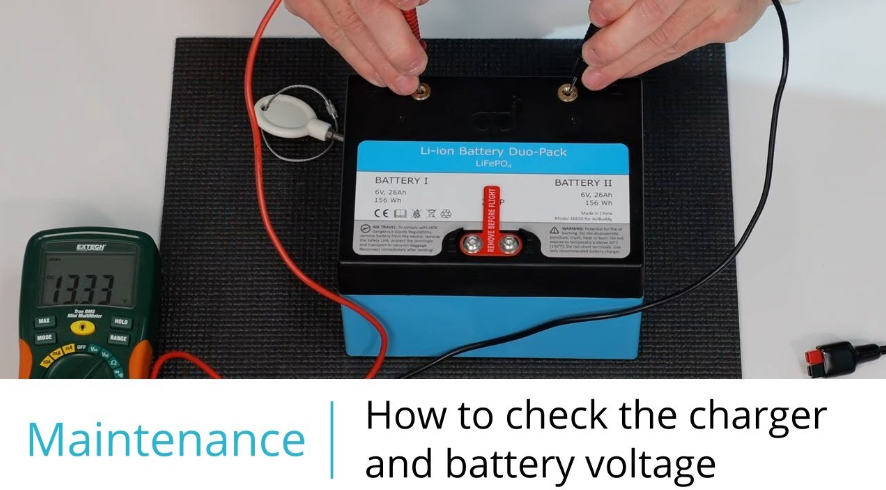
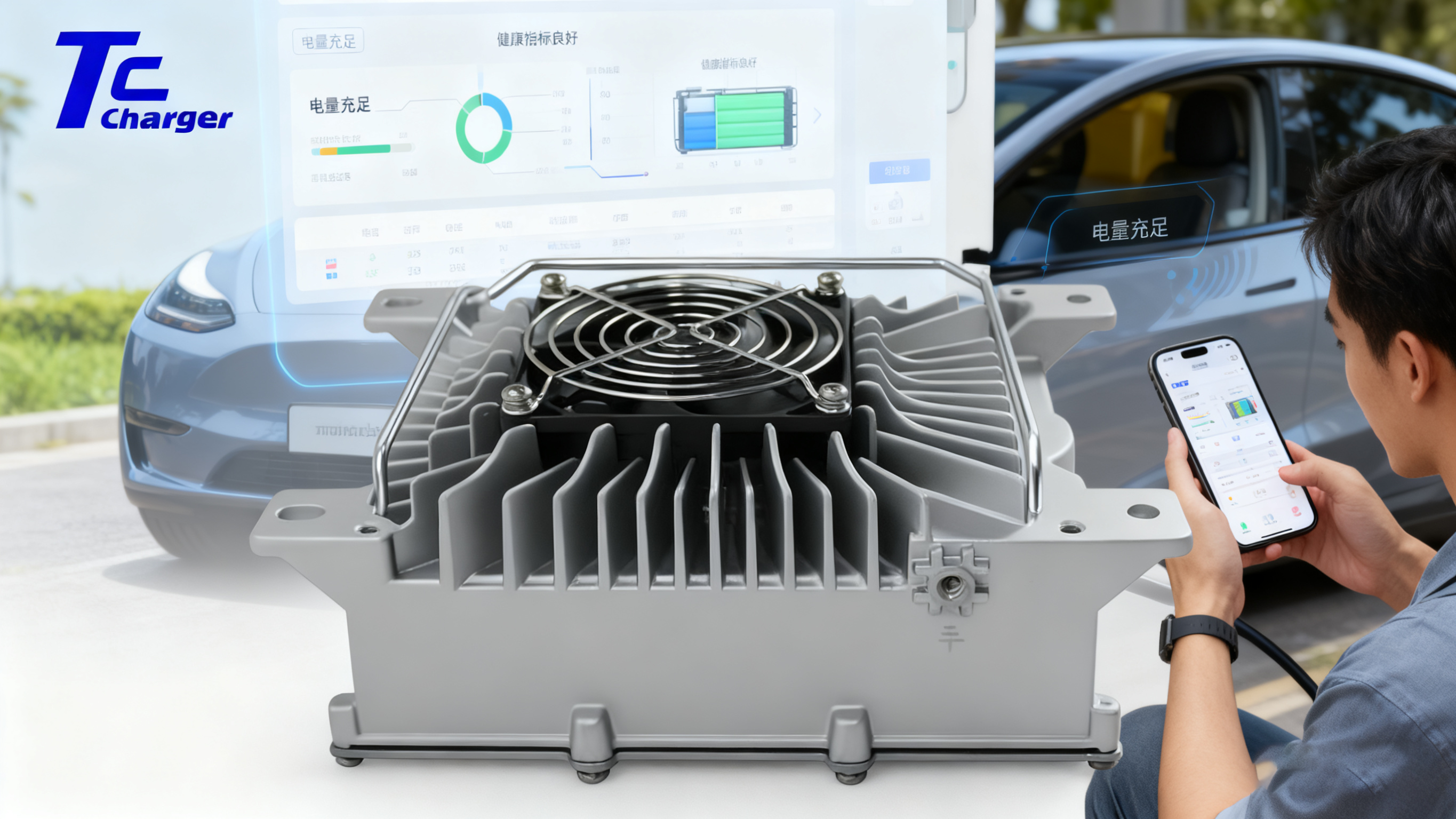
You see the notification all the time: on your phone, your laptop, and especially on your electric vehicle's dashboard. "Battery fully charged." It’s a simple message, but it represents a complex dance of technology designed to protect your battery and ensure its longevity.
But what does it actually mean? And more importantly, do you know how to use a battery charger correctly to reach that point without causing harm? Whether it's for your EV or your gadgets, the principles are surprisingly similar.
What Does "Battery Fully Charged" Really Mean?
When your device displays this message, it doesn't mean the battery is at absolute 100% capacity and charging has slammed to a halt. Instead, modern chargers and Battery Management Systems (BMS) work together in a sophisticated cycle:
-
Bulk Charging: This is the fast charge phase where the charger sends as much current as it can to quickly bring the battery up to a high percentage (usually around 80%).
-
Absorption Charging: The charger slows down, carefully topping off the battery and managing voltage to avoid overcharging. This is like filling a glass of water to the very top without spilling.
-
Float / Maintenance Mode: Once the battery is deemed "full," the charger doesn't just turn off. It switches to a trickle charge, providing tiny amounts of power to counteract the battery's natural self-discharge, keeping it at 100% without damaging it.
So, "battery fully charged" typically means the device has entered this maintenance phase. This is crucial for health, especially for large, expensive batteries like the one in your EV.
How to Use a Battery Charger: Best Practices for Longevity
Knowing how to use a battery charger properly can significantly extend the life of your batteries. Here’s a universal guide:
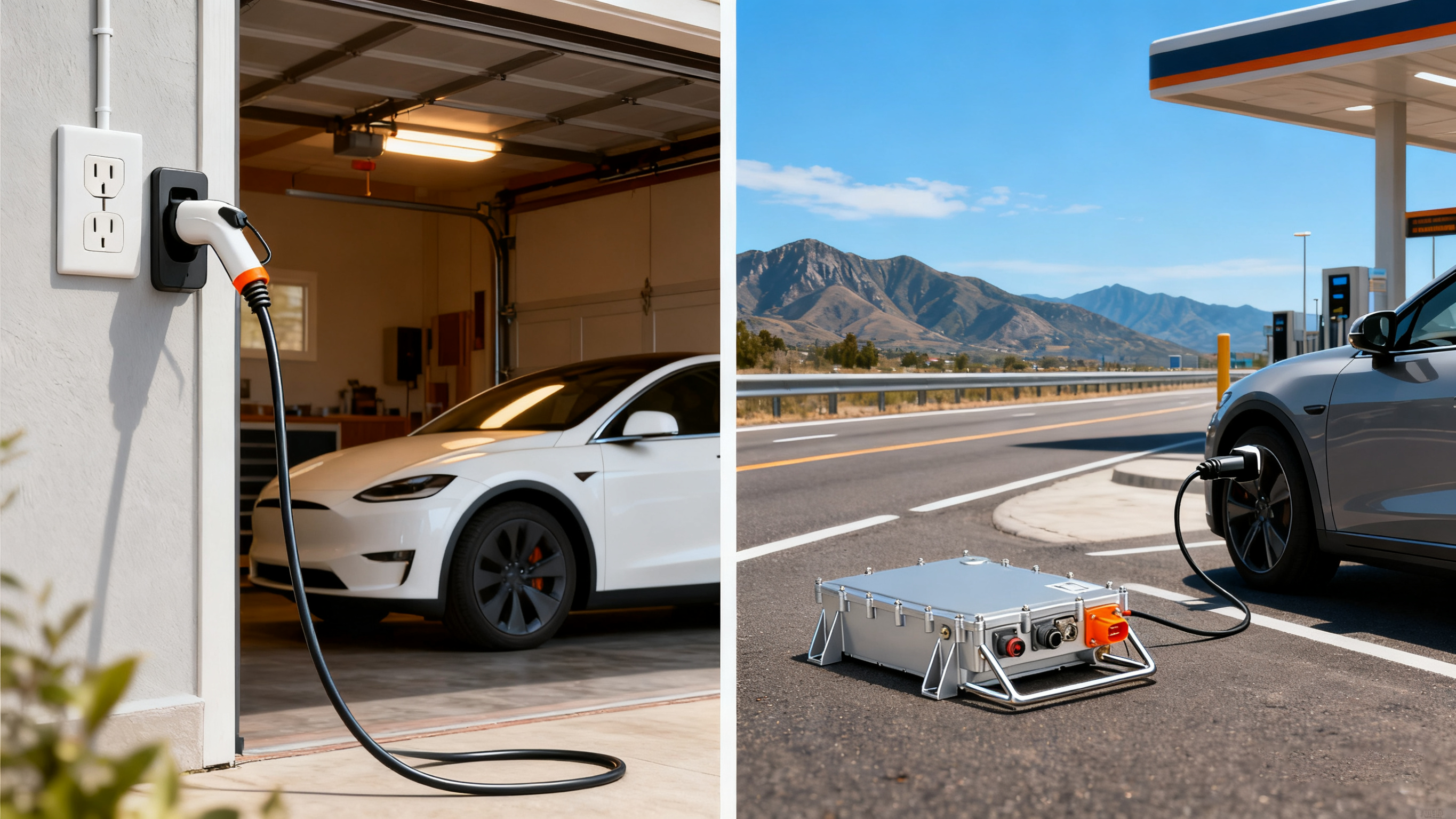
1. Use the Right Charger: This is the most important rule. Always use the charger provided by the manufacturer or a certified equivalent. Using an incorrect charger can deliver the wrong voltage or current, leading to overheating, reduced battery life, or even fire. For your EV, this means using a certified EVSE (Electric Vehicle Supply Equipment) that communicates properly with your car's onboard charger.
2. Understand Charging Cycles: For lithium-ion batteries (in everything from phones to EVs), it's better to do multiple small top-ups from 20-80% than to constantly drain it to 0% and charge to 100%. Avoid leaving devices consistently plugged in at 100% for extended periods.
3. Mind the Environment: Charge in a cool, dry place. Heat is the enemy of battery life. Fast charging generates heat, so using standard charging speeds when you're not in a hurry is gentler on the battery.
4. Trust the "Fully Charged" Message: When you see "battery fully charged," you can generally unplug the device. For an EV, this means you can stop your charging session. The sophisticated onboard charger and BMS have done their job, and keeping it plugged in unnecessarily uses extra energy.
How This Relates to Your Electric Vehicle
Your EV is the ultimate example of this smart charging philosophy. The process of how to use a battery charger for an EV is simple for the user but complex inside the car:
-
You plug in the cable (the EVSE).
-
The EVSE communicates with your car's onboard charger, telling it how much power is available.
-
The onboard charger converts AC power to DC and works with the BMS to manage the entire charging cycle—from bulk charging to absorption and finally to a maintenance state.
-
The dashboard or app displays "battery fully charged" when the cycle is complete.
The onboard charger is the intelligent heart of this operation, ensuring the massive, expensive battery pack is charged safely and efficiently.
Understanding your equipment is the first step to making it last. For more insights into the advanced technology that manages your EV's battery life, from the onboard charger to the BMS, explore the resources at OnBoard-Charger.com.
Comment