Golf Cart Battery Charger: The Essential Guide to Powering Your Game
Jun 24,2025 | TC CHARGER
.png?w=2730&h=1535)
For golf cart owners—whether for the links, neighborhood travel, or resort use—the golf cart battery charger is as vital as the engine is to a car. A quality charger doesn't just refill the batteries; it actively extends their life and ensures reliable performance round after round.
Unlike standard car chargers, golf cart battery chargers are designed for the specific demands of deep-cycle batteries. Let's explore how to choose and use the right one.
Understanding Your Golf Cart's Power System
Most modern golf carts are electric and run on a series of deep-cycle batteries, typically configured for:
-
36 Volts: 6 x 6V batteries
-
48 Volts: 6 x 8V batteries or 8 x 6V batteries
-
72 Volts: 6 x 12V batteries (less common)
The first step in choosing the right golf cart battery charger is knowing your cart's voltage. Using the wrong voltage charger can be ineffective or even dangerous.
Types of Golf Cart Battery Chargers
1. Onboard Chargers (The Modern Standard)
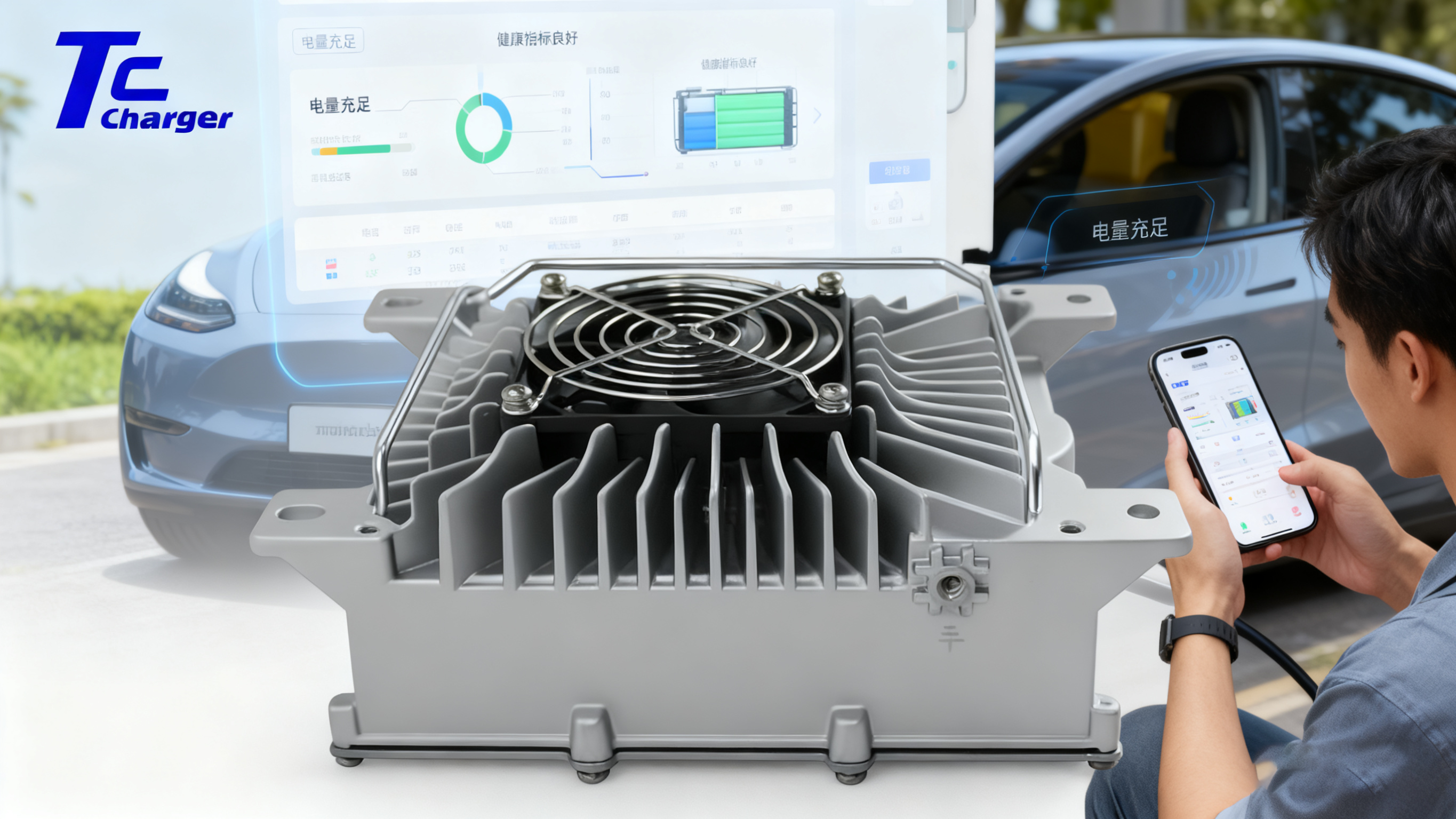
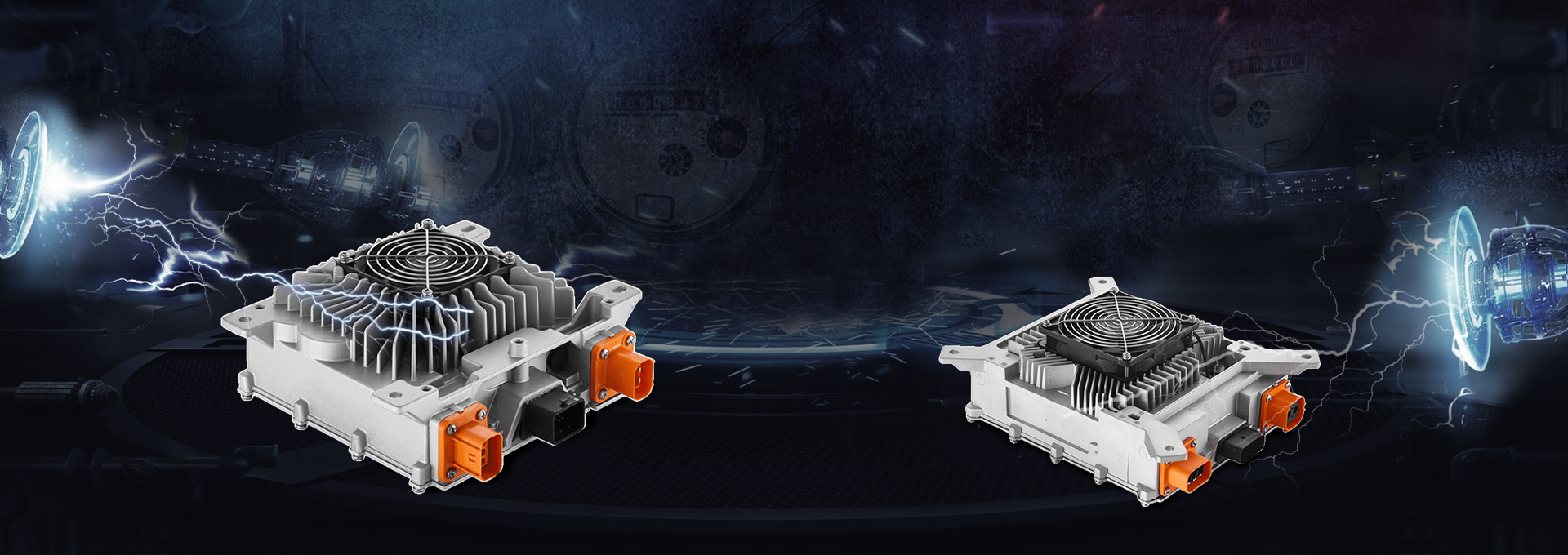
Many newer carts come with a built-in, or onboard, charger. This is a dedicated unit permanently mounted on the cart.
-
Pros: Extremely convenient. Simply plug a standard power cord into the cart itself. No heavy charger to lift or store.
-
Cons: If it fails, repair or replacement can be more complex than with a standalone unit.
2. Off-Board (Standalone) Chargers
This is the traditional model—a separate unit that you connect to the cart's battery ports with clamps or a dedicated connector.
-
Pros: Often more powerful and feature-rich. Easy to replace or upgrade independently of the cart.
-
Cons: Less convenient; you must store and connect the heavy unit each time.
Key Features of a Modern Golf Cart Battery Charger
When shopping for a charger, look for these essential features that define a quality product:
-
Automatic Shut-Off & Multi-Stage Charging: The most important feature. A smart charger will:
-
Bulk Charge: Rapidly charges the battery to ~80%.
-
Absorption Charge: Slows down to safely top off the remaining capacity.
-
Float Mode: Switches to a minimal "trickle" charge to maintain the battery without overcharging.
This process maximizes battery life and prevents damage.
-
-
Correct Voltage & Amperage: Match the voltage (36V, 48V, etc.) exactly. For amperage, a standard 15-20 amp charger is common. A higher amp charger will charge faster but must be compatible with your batteries.
-
Battery Chemistry Compatibility: Ensure the charger is designed for your battery type:
-
Flooded Lead-Acid (FLA): The most common type.
-
AGM (Absorbent Glass Mat): Maintenance-free.
-
Lithium-Ion: Requires a specific lithium-profile charger for safety and performance. Many lithium conversion kits include a compatible charger.
-
-
Desulfation Mode: This feature sends pulses to break down sulfate crystals that form on battery plates over time, which can restore some capacity and extend the life of lead-acid batteries.
Best Practices for Using Your Golf Cart Battery Charger
-
Charge After Every Use: Don't wait for the batteries to be fully depleted. Recharge as soon as possible after use.
-
Charge in a Well-Ventilated Area: Charging lead-acid batteries produces hydrogen gas, which is flammable.
-
Check Water Levels Regularly: For flooded lead-acid batteries, ensure the water levels are above the plates before charging. Use only distilled water.
-
Keep it Plugged In: If using a smart charger with a float mode, it's safe to leave the cart plugged in for extended periods, which is ideal for seasonal maintenance.
Troubleshooting Common Charger Problems
-
Charger Won't Turn On: Check the wall outlet, the cart's connections, and the fuse in the charger plug.
-
Charger Clicks On and Off: This often indicates weak or sulfated batteries that can't hold a charge.
-
Batteries Still Dead After Charging: The batteries may be at the end of their life (typically 4-6 years for lead-acid), or the charger itself may be faulty.
The Bottom Line
Investing in a high-quality, smart golf cart battery charger is one of the best decisions you can make for your cart. It pays for itself by extending the life of your expensive battery pack and ensuring you're never stranded without power.
The principles of smart charging apply from golf carts to the most advanced electric vehicles. At OnBoard-Charger.com, we are experts in the power electronics that make efficient and safe charging possible. Explore our site to learn more about the technology that powers mobility.
Comment