Car Battery Charger: Your Essential Guide to Keeping Your Vehicle Powered
Aug 21,2025 | TC CHARGER
Whether you're a classic car enthusiast, dealing with a vehicle that sits idle, or driving a state-of-the-art electric vehicle, understanding your car battery charger is key to avoiding the dreaded "click" of a dead battery. But the term "car battery charger" can mean very different things depending on your vehicle.
This guide will clear up the confusion and help you understand the different types of chargers available.
1. The Traditional 12V Car Battery Charger
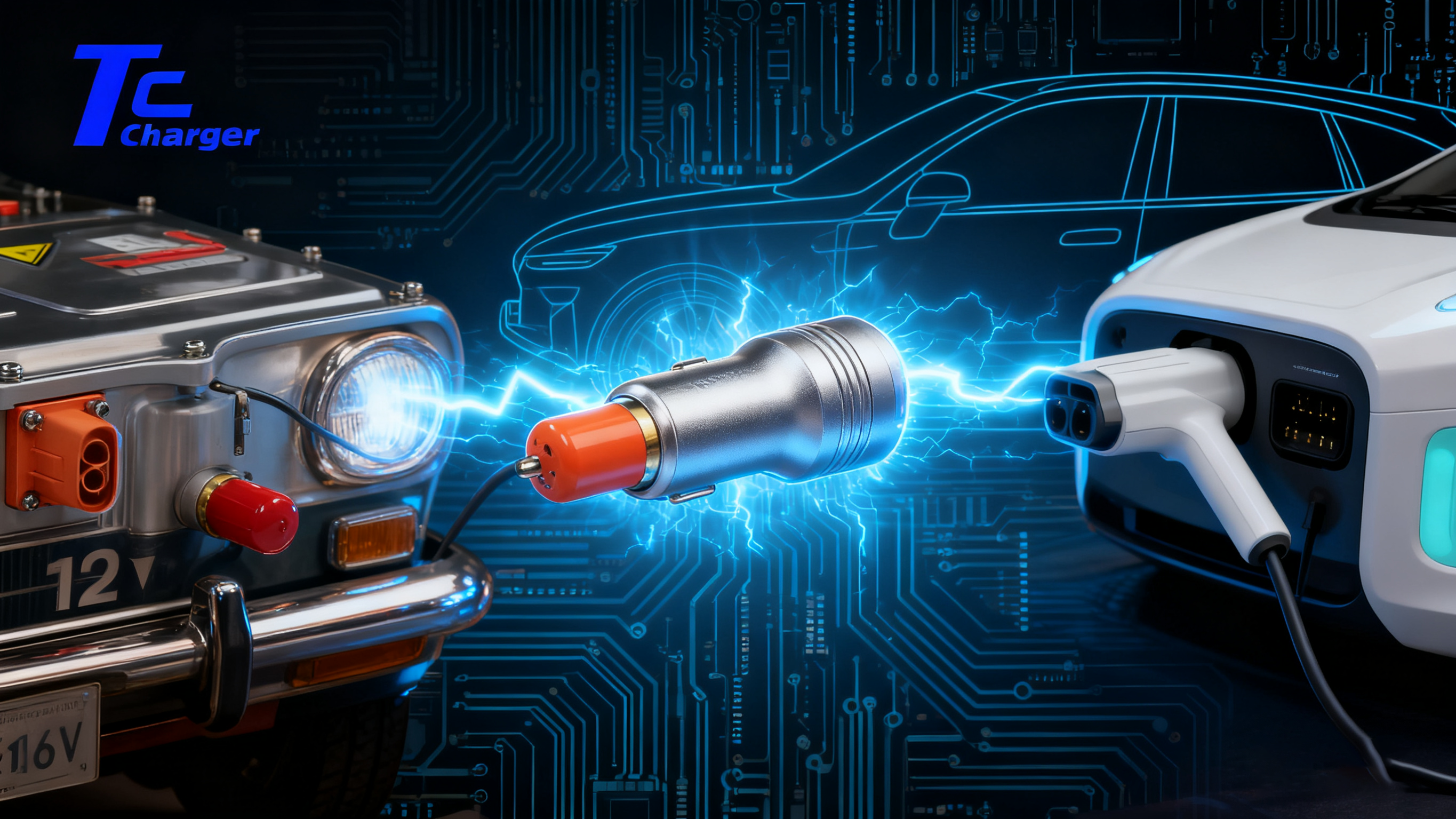
This is what most people think of when they hear the term. It's designed for the 12V lead-acid (or AGM) battery found in every gasoline-powered car. Its job is to restore charge to a depleted battery or maintain a full charge during long periods of inactivity.
Key Features to Look For:
-
Automatic/Multi-Stage Charging: Modern smart chargers automatically switch from bulk charging to absorption and then to a float/maintenance mode. This prevents overcharging and extends battery life.
-
Trickle Charger / Battery Maintainer: A specific type of charger that provides a low, steady charge ideal for seasonal vehicles. It keeps the battery at 100% without damage.
-
Safety Features: Look for spark-proof technology, reverse polarity protection, and weather resistance if used outdoors.
2. The Electric Vehicle (EV) "Charger"
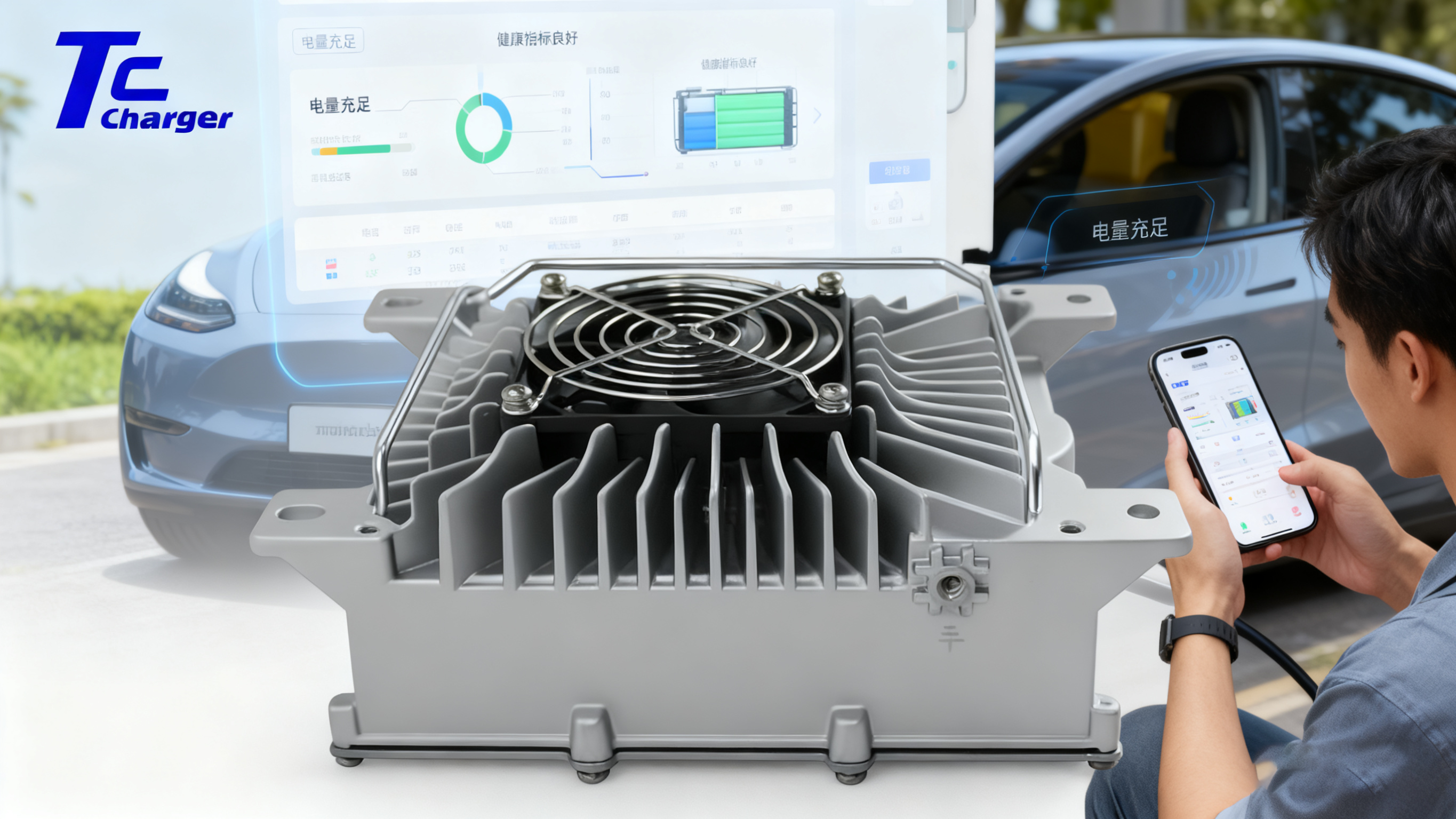
Here's where terminology gets interesting. For an EV, the car battery charger is actually built into the vehicle itself! It's called an onboard charger (OBC).
-
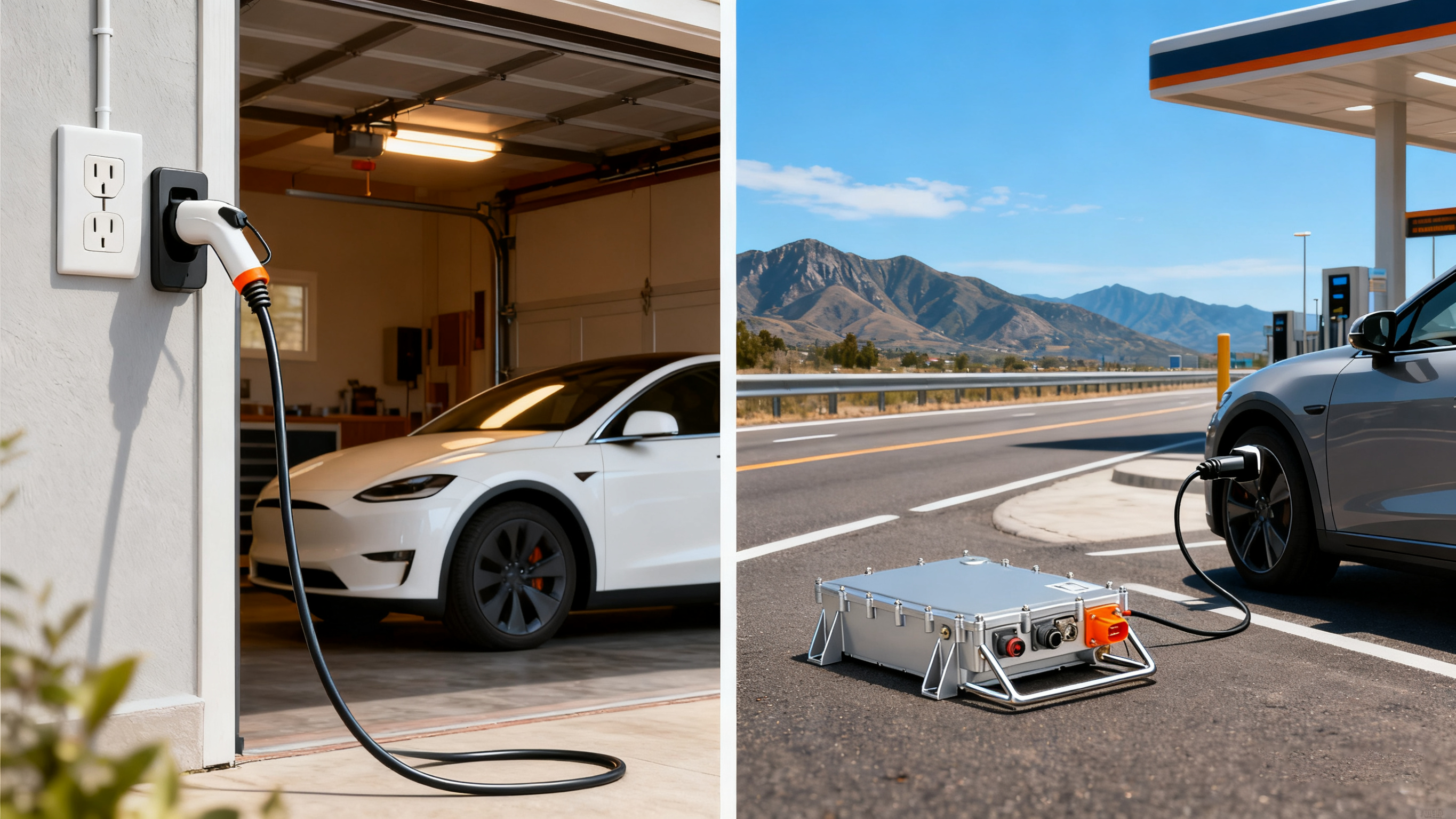
The External Unit: The equipment you plug into your car is more accurately called Electric Vehicle Supply Equipment (EVSE), or simply a "charging station." It doesn't "charge" the car itself; it safely delivers AC power from the grid to the vehicle.
-
The Real Charger (OBC): The onboard charger inside the EV is the critical component that converts the AC power from the station into DC power that the vehicle's high-voltage battery can store. Its power rating (e.g., 7.4 kW, 11 kW) determines your AC charging speed.
So, when you buy a "charger" for your EV, you are selecting an EVSE that will work with your car's built-in OBC.
How to Choose the Right Car Battery Charger
For a Traditional 12V Battery:
-
Identify Your Battery Type: Lead-acid, AGM, or Gel? Ensure the charger is compatible.
-
Determine Your Need: Do you need to revive a dead battery quickly (a higher-amp charger), or simply maintain a battery (a low-amp trickle charger)?
-
Opt for "Automatic": A smart, automatic charger is always the safest and most effective choice.
For an Electric Vehicle:
-
Know Your Onboard Charger's Capacity: Check your vehicle's specs. What is its maximum AC acceptance rate (in kW)? There's no benefit to buying a 11 kW station if your car's OBC can only handle 7.4 kW.
-
Choose a Level 2 EVSE: For home charging, a Level 2 station (plugging into a 240V outlet) is the best investment for convenience.
-
Consider Smart Features: Look for Wi-Fi connectivity, scheduling capabilities, and energy tracking.
Why a Quality Charger Matters
Using a cheap, outdated car battery charger can damage your battery, reducing its lifespan and potentially creating a safety hazard. A quality charger, whether for a 12V battery or an EV, is an investment that protects your much larger investment—your vehicle.
-
For 12V Batteries: Prevents sulfation (the leading cause of battery failure) and ensures reliability.
-
For EVs: A high-quality EVSE ensures safe, efficient communication with your car's onboard charger, delivering optimal performance.
The Bottom Line
The world of the car battery charger has evolved. Whether you're maintaining a vintage engine or powering a silent electric motor, the principle is the same: the right charging technology is essential for vehicle health and owner peace of mind.
Understanding the technology behind your vehicle is empowering. At OnBoard-Charger.com, we specialize in the advanced onboard chargers that are the heart of every EV. Explore our site to learn more about the technology powering the future of driving.
Comment