Beyond Conversion: The Smart Role of a DC to DC Charge Controller
Sep 09,2025 | TC CHARGER
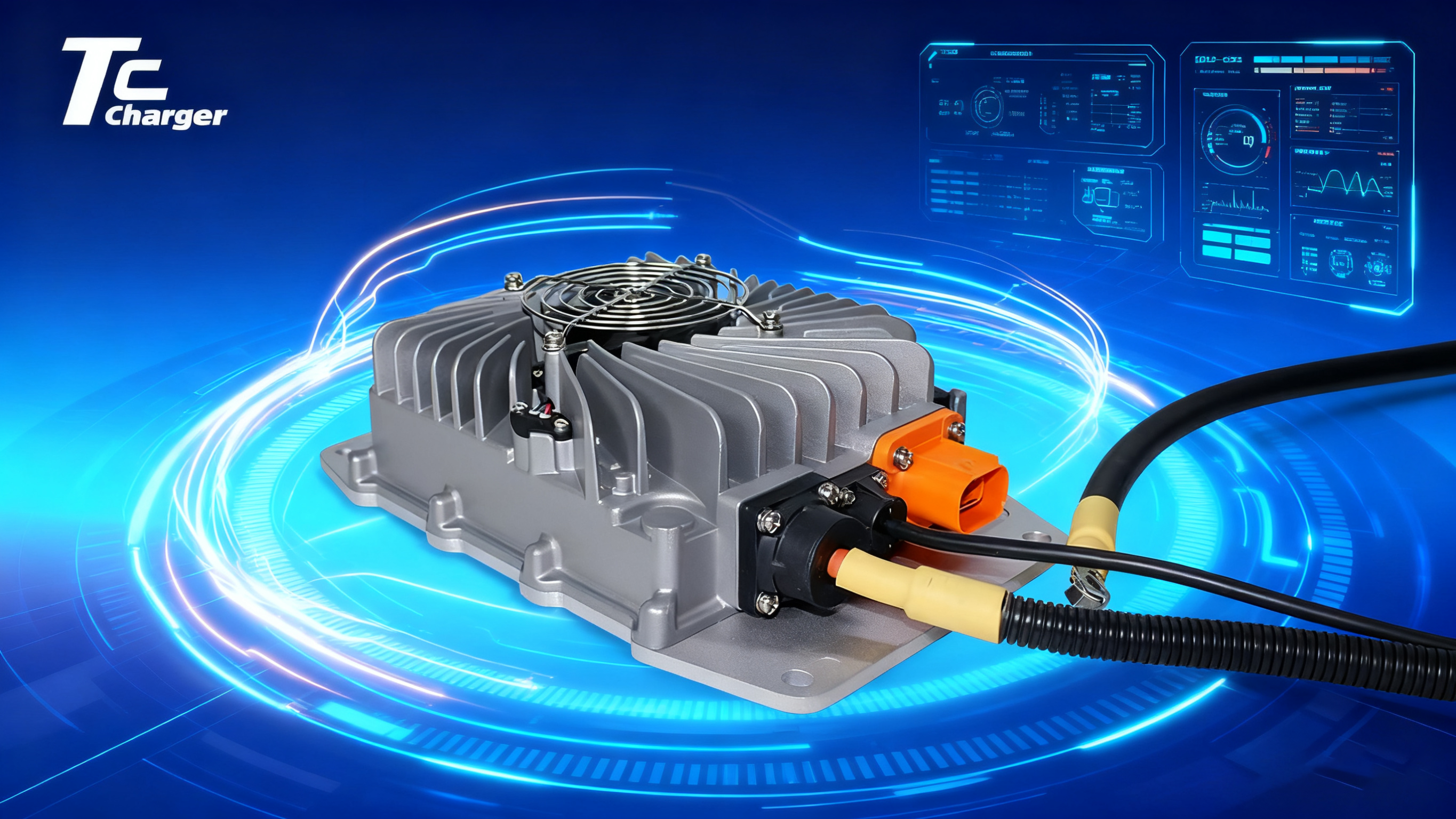
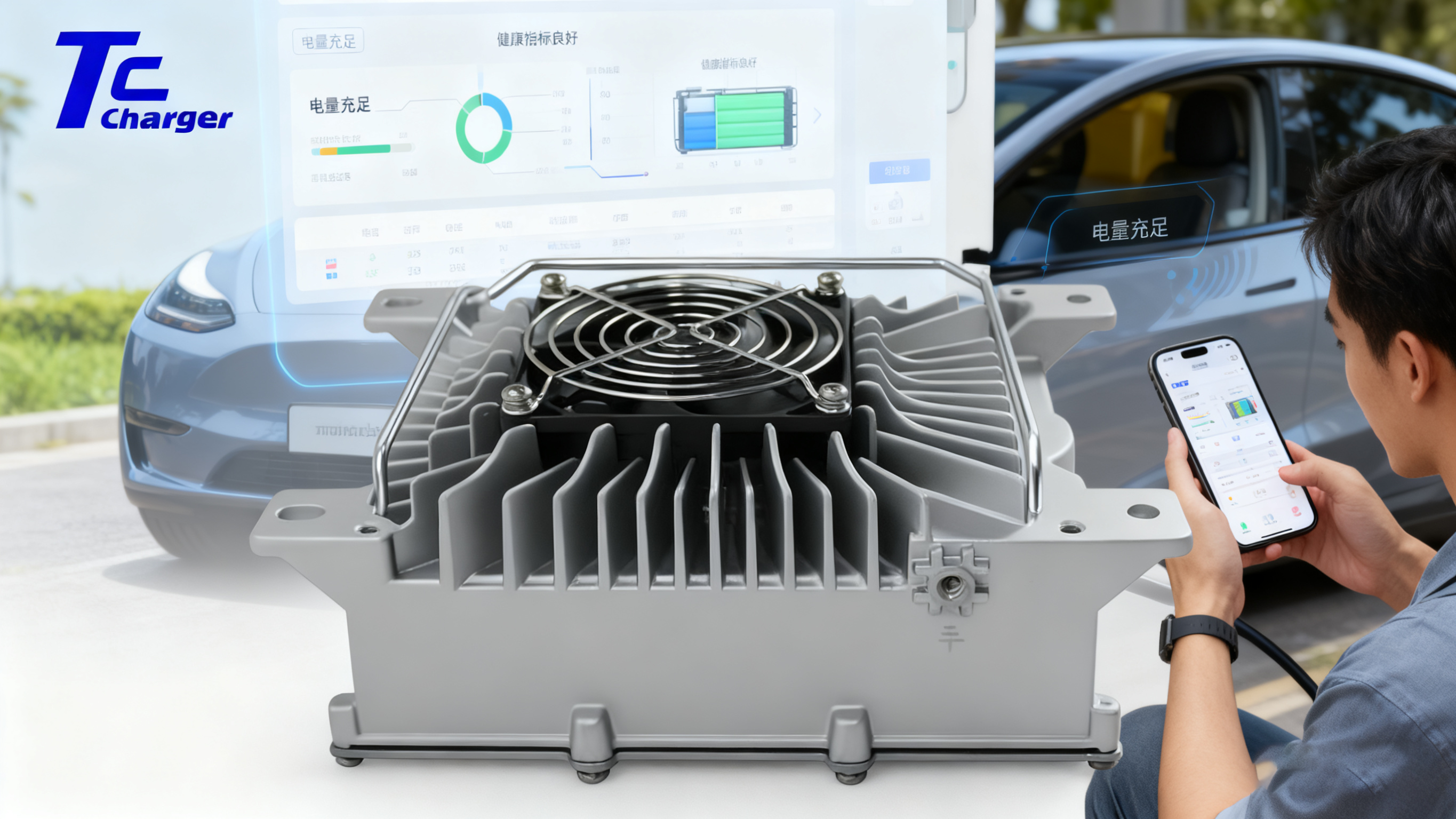
In the world of power management, simply converting voltage isn't enough. Precision, control, and protection are paramount. This is where the DC to DC charge controller comes into play. While often used interchangeably with "DC DC converter," the term charge controller emphasizes its smarter, more active role in managing power flow and battery health.
Whether in an electric vehicle or a renewable energy system, understanding this component is key to understanding how complex electrical systems operate reliably.
What is a DC to DC Charge Controller?
A DC to DC charge controller is an intelligent electronic device that regulates the voltage and current flowing from a DC power source (like a high-voltage battery or solar panel) to a DC load or battery (like a 12V battery).
Its job goes beyond simple conversion. It actively manages the charging process to maximize efficiency and, most critically, to protect the battery from damage caused by overcharging or improper charging cycles.
Key Functions: More Than Just a Converter
While a basic converter changes voltage, a DC to DC charge controller adds a layer of intelligence. Its primary functions include:
1. Voltage Regulation: This is the core function. It steps down (buck) or steps up (boost) a DC input voltage to a precise, stable output voltage required by the load or battery.
2. Multi-Stage Charging Management: A sophisticated charge controller doesn't just apply a constant voltage. It follows a precise charging algorithm, similar to the best battery chargers:
-
Bulk Stage: Delivers maximum available current to quickly charge the battery.
-
Absorption Stage: Holds the voltage at a constant level while the current tapers down as the battery becomes full.
-
Float Stage: Reduces the voltage to a lower "maintenance" level to prevent overcharging once the battery is full.
3. Protection Features: This is where the "controller" truly shines. It continuously monitors the system and can shut down or adjust operation to prevent:
-
Overcharging: The #1 cause of reduced battery lifespan.
-
Over-discharging: Protecting the battery from damage when it's drained too low.
-
Overcurrent and Short Circuits: Safeguarding the circuitry from excessive current.
-
Thermal Overload: Preventing damage from overheating.
Primary Applications: Where You'll Find a DC to DC Charge Controller
This technology is vital in two major fields:
1. Electric Vehicles (EVs): The Auxiliary Power Unit
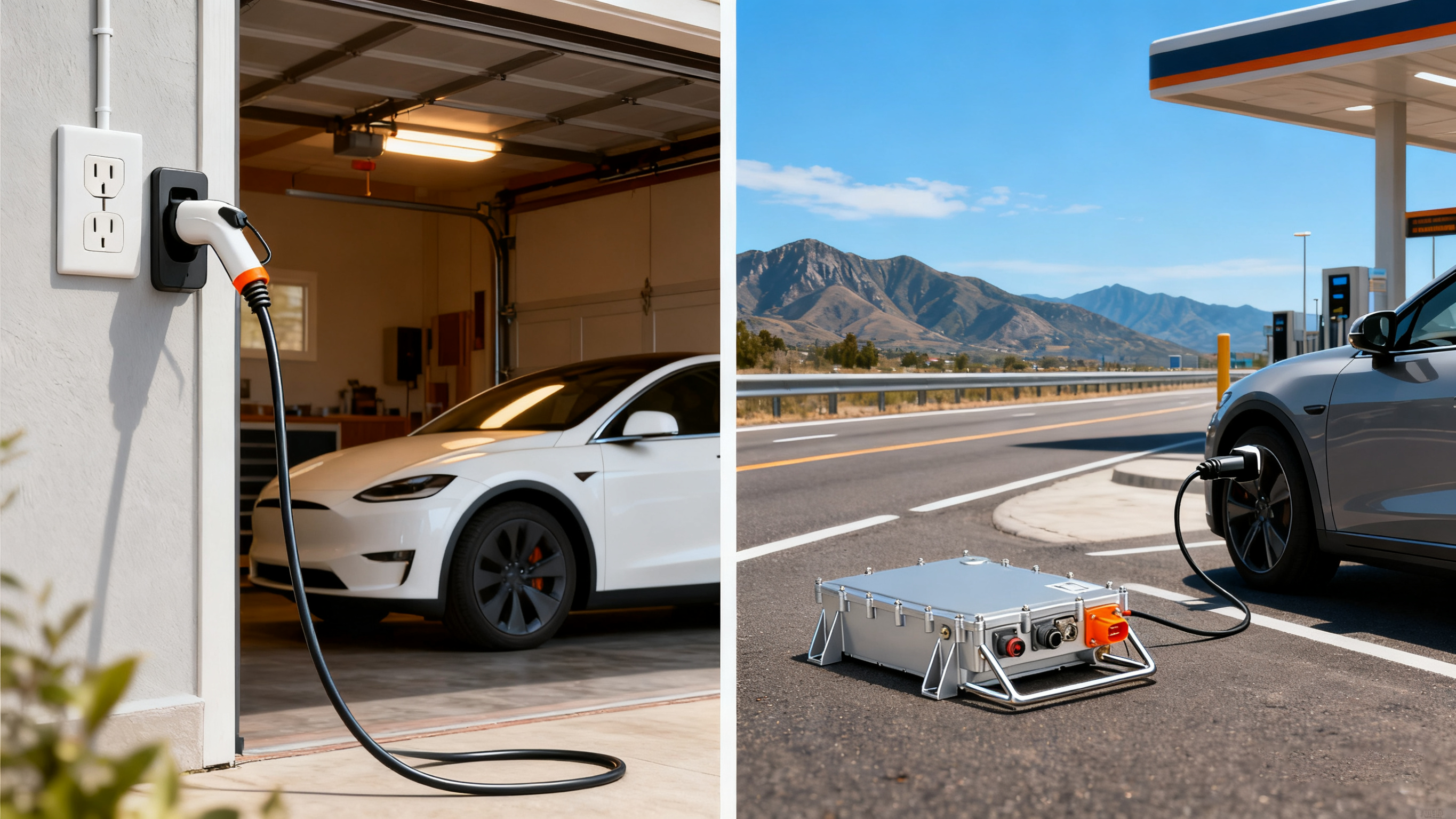
In an EV, the DC to DC charge controller is the component that replaces the alternator in a gasoline car. It intelligently taps energy from the high-voltage traction battery to maintain the charge of the 12V auxiliary battery that powers lights, windows, computers, and safety systems. Its precise control is essential for vehicle safety and reliability.
2. Solar Power Systems: The Heart of Off-Grid Power
In solar applications, a solar charge controller is a specific type of DC to DC charge controller. It sits between the solar panels (DC source) and the battery bank (DC storage). Its job is to optimize the power harvested from the panels and apply the correct charging algorithm to the batteries, significantly extending their life.
DC to DC Charge Controller vs. Basic Converter
It's helpful to distinguish between the two:
| Feature | Basic DC DC Converter | DC to DC Charge Controller |
|---|---|---|
| Core Purpose | Voltage conversion. | Voltage conversion plus intelligent battery management. |
| Operation | Provides a fixed or simple regulated output. | Dynamically adjusts output based on the battery's state of charge. |
| Key Feature | Efficiency, power density. | Multi-stage charging algorithms, comprehensive protection. |
Think of it this way: A converter is a pipe, while a charge controller is a pipe with a smart valve and a flow monitor.
Why It Matters for System Health
Using a simple converter to charge a battery is inefficient and can be dangerous. Without the smart management of a DC to DC charge controller, batteries are susceptible to stress and premature failure. Investing in a quality controller is an investment in the longevity and safety of your entire energy system.
The intelligence of a modern power system lies in its control. To explore the advanced charge controllers and power management solutions that define today's EVs and renewable tech, visit OnBoard-Charger.com.
Comment